

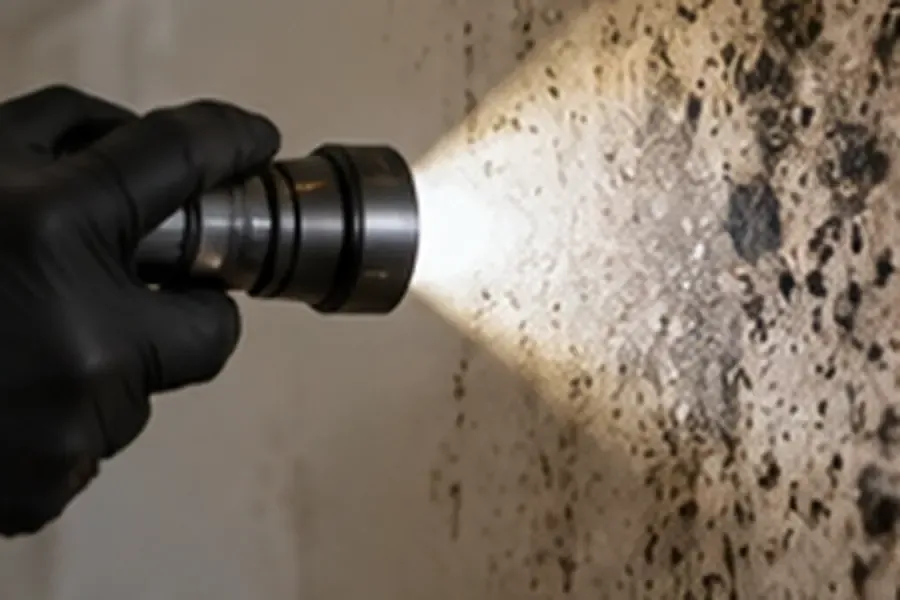
Inspection & Testing · Littleton, CO · Open 24/7
Mold Inspection & Testing in Littleton, CO
Moldra provides mold inspection in Littleton, CO, with lab testing when it answers a real question. Since 2012 our local team has used moisture meters and thermal imaging to find visible and hidden mold, taken air and swab samples for lab analysis, and explained the results in plain English, so you know exactly what to fix.
- Available 24/7
- Local Littleton team since 2012
- Clear written estimate before work starts
Get a fast estimate
Tell us what you are seeing. We call you back, 24/7.
Inspection & Testing Littleton
- Since 2012 14+ years in Littleton
- Open 24/7 A person answers day and night
- Local office W Cross Dr, Littleton, CO
- Source found first Moisture meters and thermal imaging
- HEPA & containment Negative air on every removal
- Clearance checked Lab testing when you need proof
Mold inspection in Littleton, CO: how is it different from testing?
A mold inspection finds visible and hidden mold and the moisture that causes it. Mold testing adds lab analysis of air or surface samples to confirm what is growing and how much is in the air. Most Littleton homeowners need both when the source is hidden, after water damage, or before buying a home.
Who to call in Littleton: Moldra has handled inspection & testing in Littleton, CO since 2012, from our local office at 9800 W Cross Dr #110, Littleton, CO 80123. We are open 24/7. Call (720) 743-9257.
When should you get a mold inspection?
- A musty smell but no visible mold
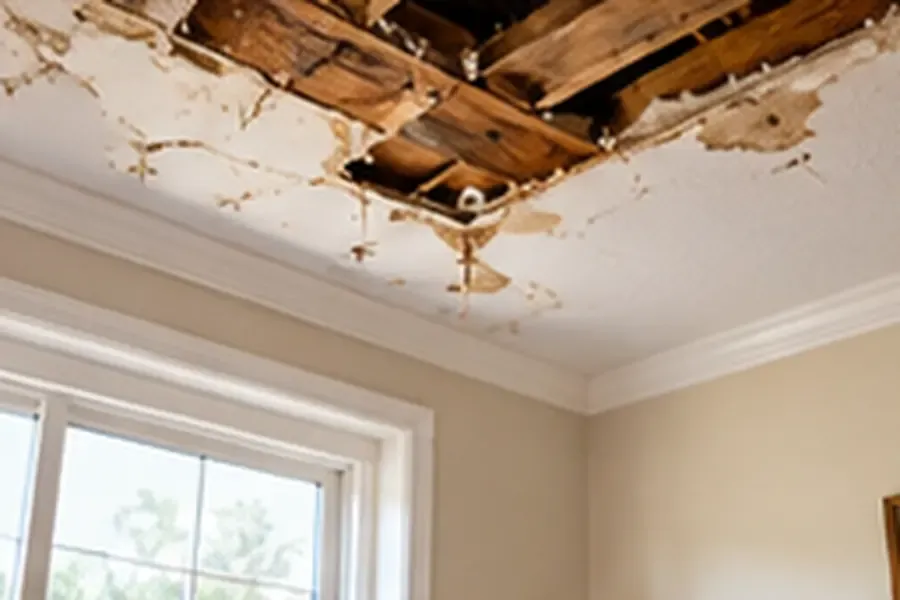
- Water damage, a leak or a flooded basement in the past few months
- Stains, bubbling paint or warped baseboards
- Allergy-like symptoms that ease when you leave the house
- You are buying or selling a Littleton home
- You need proof that a past mold job actually worked (clearance testing)
Why it matters
Why you need a mold inspection
You cannot fix what you cannot find. An inspection turns a smell or a worry into a clear answer.
Hidden mold is common
Mold often grows behind drywall, under carpet pad or in a crawl space long before you see it. A musty smell is often the only sign.
It finds the water
Thermal imaging and moisture mapping show where the water is coming from, so the repair fixes the cause and not just the stain.
It prevents overspending
A clear scope stops you paying to tear out more than needed, or less than needed and doing it twice.
Proof for others
Lab results and clearance testing give buyers, landlords, tenants and insurers documented proof.
What our inspection and testing covers
Visual inspection
Basement, crawl space, attic, bathrooms, kitchen, HVAC and every area with plumbing or past leaks.
Moisture mapping
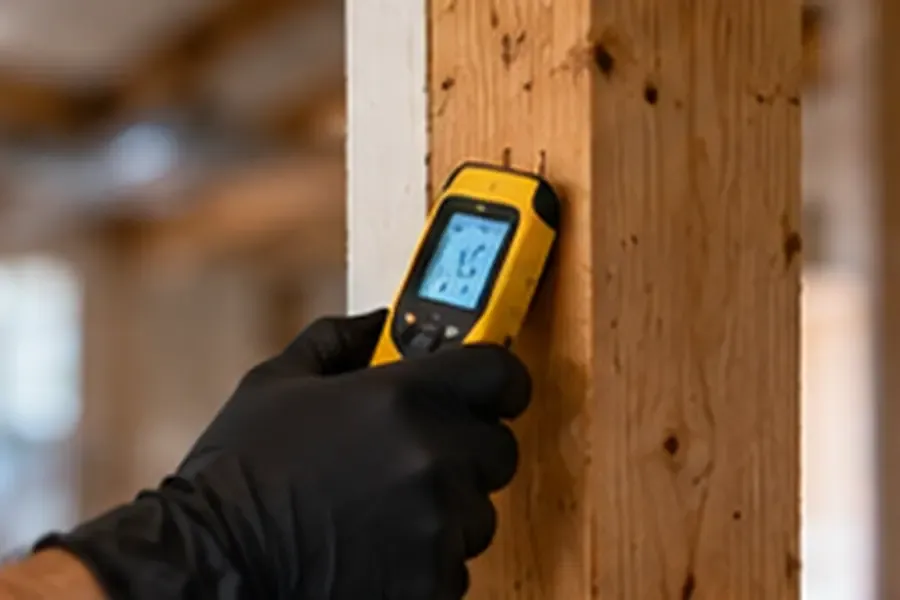
Pin and pinless moisture meters and a hygrometer show where materials are wet and how humid the air is.
Thermal imaging
An infrared camera spots cold, damp areas behind drywall and ceilings without cutting holes.
Air sampling
Spore trap samples inside and an outdoor control sample, so the lab can compare indoor and outdoor spore levels.
Surface and swab sampling
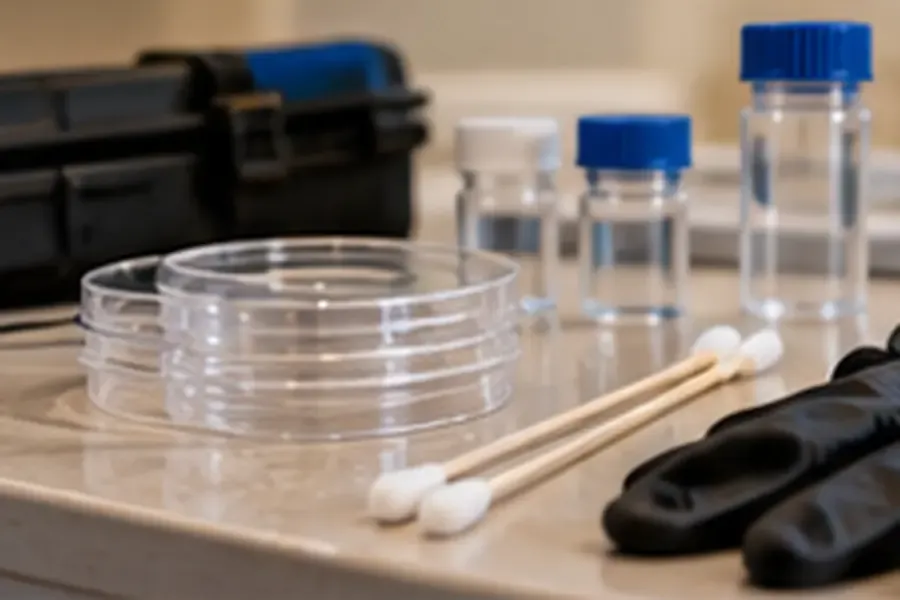
Swab or tape-lift samples identify what is growing on a stain or surface.
Clear written report
Photos, moisture readings, lab results and a plain-English plan: what to fix, what to remove and what can wait.
Our process
How we inspect and test for mold in Littleton
A good inspection answers three questions: is there mold, where is the water coming from, and what needs to be done. Testing is added only when it answers a real question.
-
Step 1: History and symptoms
We start by listening: what you smell or see, past leaks, floods, remodels and how long you have noticed it. That history tells us where to look first.
-
Step 2: Room-by-room inspection
We check the basement, crawl space, attic, bathrooms, kitchen, laundry, windows and HVAC, the places where water and mold usually hide in Littleton homes.
-
Step 3: Moisture mapping & thermal imaging
Moisture meters and a hygrometer show which materials are wet and how humid the air is. A thermal camera spots cold, damp areas behind drywall without cutting holes.
-
Step 4: Air and surface sampling
When it helps, we take spore trap air samples with an outdoor control, and swab or tape-lift samples from stains. Samples go to an independent lab with chain-of-custody paperwork.
-
Step 5: Lab results explained
We walk you through the lab report in plain English: what is growing, how indoor levels compare to outdoors, and what that means for your home.
-
Step 6: Written plan
You get photos, readings and a clear plan: what to fix, what to remove, what can wait. If remediation is needed, clearance testing afterward confirms the job worked.
Before & after
Inspection & Testing before and after
Real results from our Littleton jobs: the same spot before we started and after the work was done.
Local know-how
Understanding mold testing in Littleton, Colorado
Testing is a tool, not a goal. Here is when it helps in Littleton homes and what the results can and cannot tell you.
Why dry air changes the picture
Littleton gets only about 16 inches of precipitation and about 66 inches of snow in a typical year (Western Regional Climate Center data), and the air is dry most of the time. Because outdoor air is dry, indoor mold usually traces back to one clear water source, like a leak, a flooded basement or a damp crawl space. Finding that source matters more than a long list of spore counts.
What an air sample shows
An air sample compares the kinds and amounts of spores inside to an outdoor sample taken at the same time. Indoor levels well above outdoor, or species that are not outside, point to growth inside. There are no federal limits for mold in air, so results are read by comparison.
When surface sampling helps
A swab or tape-lift tells you what is growing on a specific stain. It is useful to tell mold from dirt or soot, or to document what was found for a sale or an insurance claim.
Buying or selling a home
A general home inspection usually notes visible water damage but does not include mold sampling. For older homes near Historic Downtown Littleton or homes with finished basements, a mold inspection before closing gives you facts to negotiate with.
Many Littleton homes have finished basements, and hidden mold behind basement drywall is one of the most common findings. Spring snowmelt and summer storms on the Front Range push water toward foundations, and a small leak can stay hidden for months.
If you are buying an older home near Historic Downtown Littleton or a newer build in Sterling Ranch, a mold inspection before closing can save a costly surprise. A general home inspection usually does not include mold sampling.
How much does inspection & testing cost?
Inspection and testing costs depend on home size and how many samples are needed. See typical ranges in our cost guide.
Mold removal cost in LittletonRelated services
Often needed together
Mycotoxin Testing
Lab testing of home dust and air for mold toxins, plus mitigation.
Learn more
Air Quality Testing
Mold spores, humidity, particulates, VOCs and CO2 in one visit.
Learn more
Black Mold Removal
Safe removal of Stachybotrys and other dark molds, with containment and testing.
Learn more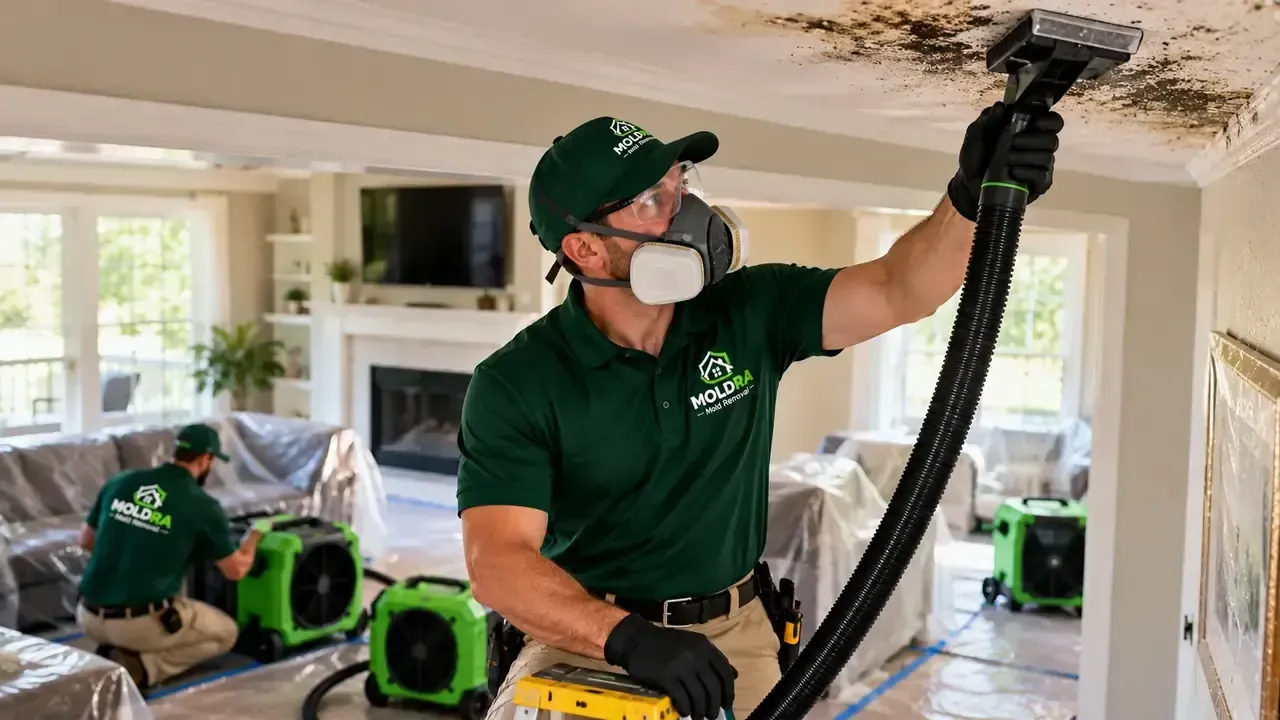
Mold removal in Littleton
Full remediation from inspection to clearance testing.
Learn moreFrom our blog
Mold guides for Littleton homeowners
Plain-English answers from our team about spotting mold, testing and what removal involves.
-
 Inspection & testing
Is Mold Testing Worth It? When to Test and When to Skip It
When professional mold testing is worth the money, when it is not, how air and swab tests work, and why DIY kits are misleading. Honest advice from Littleton mold pros.
Read the guide -
 Signs & causes
7 Signs of Mold in Your Home (and Where It Hides)
The first signs of mold in a house: musty smells, stains, peeling paint, allergy symptoms and more. Where hidden mold grows in Littleton homes and what to do.
Read the guide -
 Signs & causes
Why Littleton Homes Get Mold (Even in a Dry Climate)
Colorado is dry, so why do Littleton homes get mold? Snowmelt, storms, finished basements, swamp coolers and frozen pipes. The local causes and how to prevent them.
Read the guide
Service areas
We serve these areas in Littleton, CO
From our office on W Cross Dr we cover all of Littleton and the neighborhoods around it. Pick your area to see the mold problems we see there most.
- Littleton
- Downtown Littleton
- Southwest Littleton
- Ken Caryl
- Dakota Ridge
- Columbine
- Columbine Knolls
- Columbine Valley
- Bow Mar
- Marston Lake
- Chatfield
- Roxborough
- Sterling Ranch
Smell something musty? Talk to a Littleton mold specialist today.
Tell us what you are seeing. We will explain the next step, whether that is a test, an inspection or removal.
- Available 24/7
- Local Littleton team since 2012
- Clear written estimate before work starts
Location
Inspection & Testing from our office on W Cross Dr
We are based on W Cross Dr in Littleton and serve the whole city and the neighborhoods around it.
Moldra 9800 W Cross Dr #110, Littleton, CO 80123 (720) 743-9257 Open in Google MapsFAQ
Inspection & Testing questions
Do I need mold testing if I can already see mold?
Often no. The EPA notes that if mold is visible, sampling is usually not needed to decide on removal. Testing is still useful when the source is hidden, when you need documentation for a sale or landlord, or to confirm the area is clean after remediation.
What is the difference between mold inspection and mold testing?
An inspection is the hands-on search for mold and moisture. Testing is lab analysis of air or surface samples. An inspection tells you where the problem is; testing tells you what is growing and how much is in the air.
How long do mold test results take?
Lab turnaround is usually a few business days, and faster options are often available for an extra fee. We share the results as soon as they arrive.
What is clearance testing?
Clearance (post-remediation) testing checks that a remediated area is back to normal before walls are closed up. It is the proof that the job worked.
Is a home mold test kit accurate?
Settle-plate kits from a hardware store almost always grow something, because mold spores are everywhere. They cannot tell you whether indoor levels are normal. Professional air sampling compares indoor air with an outdoor control sample.