

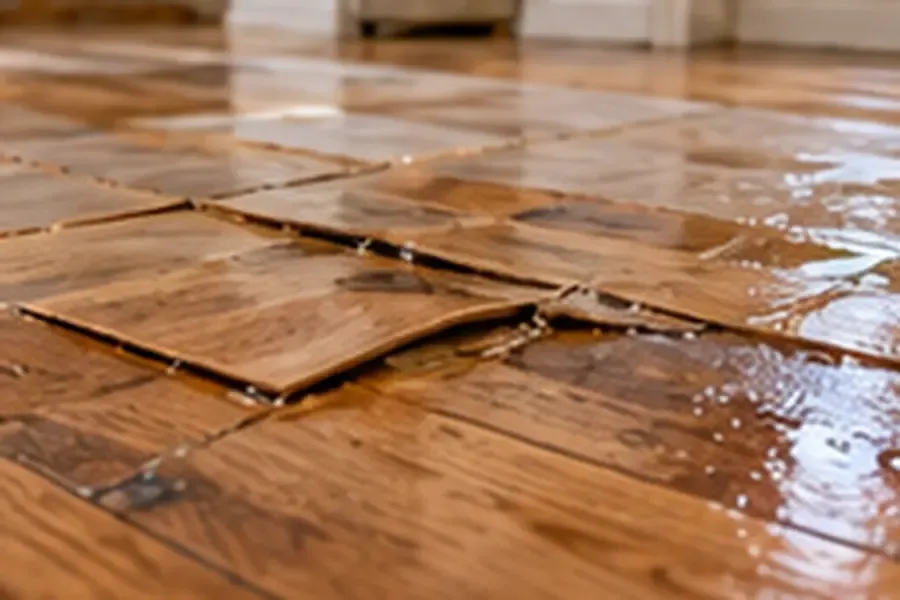
Water Damage Restoration · Littleton, CO · Open 24/7
Water Damage Restoration in Littleton, CO
Moldra provides water damage restoration in Littleton, CO. We are available 24/7, and mold can start growing within 24 to 48 hours of a leak, so we move fast: we extract the water, remove what cannot be saved, dry the structure with commercial equipment while tracking moisture readings, and document everything for your insurance claim.
- Available 24/7
- Local Littleton team since 2012
- Clear written estimate before work starts
Get a fast estimate
Tell us what you are seeing. We call you back, 24/7.
Water Damage Restoration Littleton
- Since 2012 14+ years in Littleton
- Open 24/7 A person answers day and night
- Local office W Cross Dr, Littleton, CO
- Source found first Moisture meters and thermal imaging
- HEPA & containment Negative air on every removal
- Clearance checked Lab testing when you need proof
What happens during water damage restoration in Littleton, CO?
Water damage restoration means stopping the source, extracting standing water, removing materials that cannot be saved, and drying the structure with dehumidifiers and air movers while tracking moisture readings until everything is dry. Done within the first 24 to 48 hours, it prevents most mold growth.
Who to call in Littleton: Moldra has handled water damage restoration in Littleton, CO since 2012, from our local office at 9800 W Cross Dr #110, Littleton, CO 80123. We are open 24/7. Call (720) 743-9257.
What kinds of water damage do we handle?
- Burst or frozen pipes
- Basement flooding from storms or snowmelt
- Sump pump failure
- Water heater, washer or dishwasher leaks
- Roof leaks after hail or heavy snow
- Ceiling stains from upstairs bathrooms
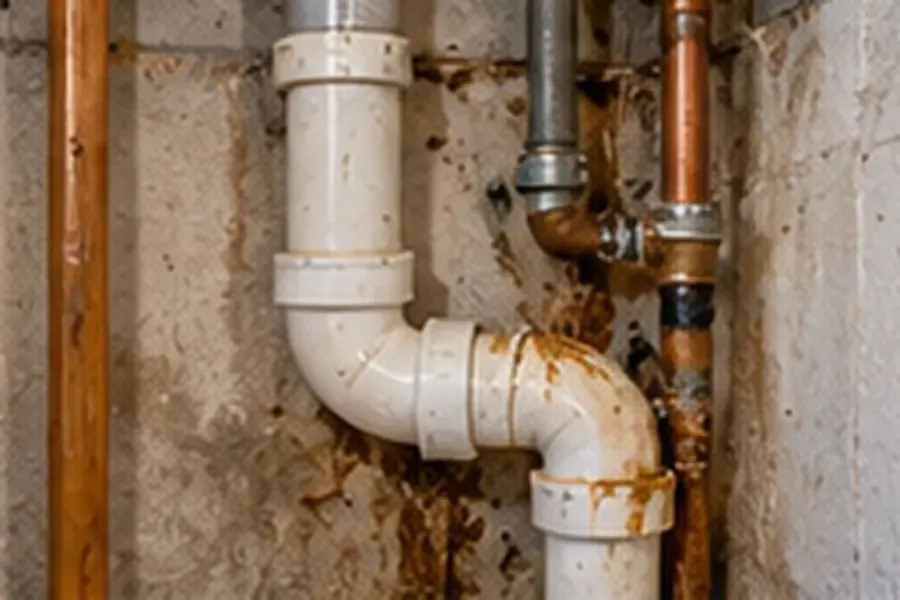
Why it matters
Why you need fast water damage restoration
The first 48 hours decide whether water damage becomes a mold problem.
Mold starts in 24 to 48 hours
The EPA advises drying wet materials within this window to prevent mold.
Hidden water
Water runs under flooring and into walls. Moisture mapping finds what you cannot see.
Insurance records
Photos and drying logs support your claim for a sudden, covered water event.
Less to rebuild
Fast drying saves materials that would otherwise have to be replaced.
Our water damage service
Water extraction
Pumps and extractors remove standing water from floors and carpet.
Damage assessment
Moisture meters and thermal imaging map how far the water spread.
Remove what cannot be saved
Wet carpet pad, insulation and drywall are removed when they cannot dry in time.
Structural drying
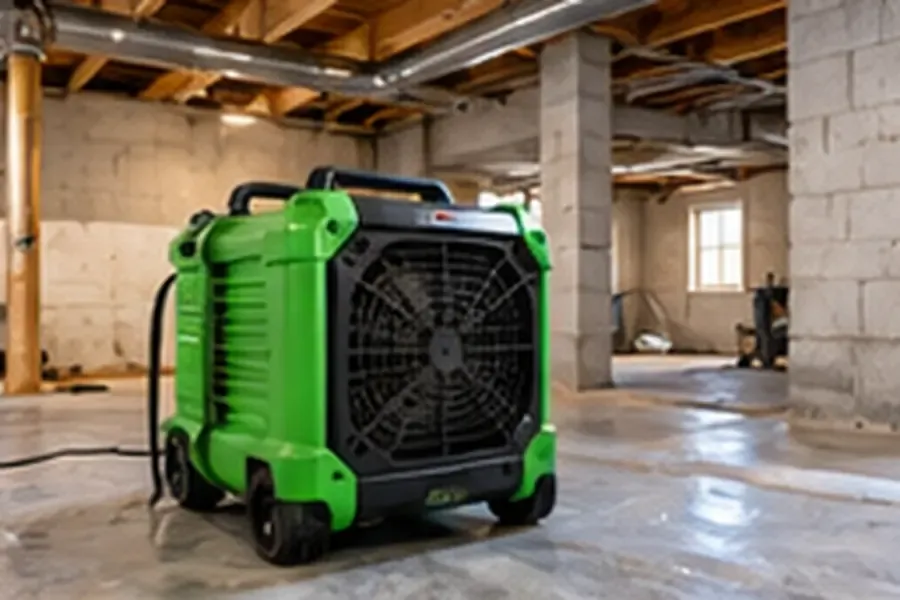
Commercial dehumidifiers and air movers, with daily moisture readings.
Mold prevention
Antimicrobial treatment of affected framing and surfaces.
Insurance documentation
Photos, moisture logs and a description of work for your claim.
Our process
How we restore water damage in Littleton
Water damage turns into mold if it is not dried fast. Our process follows the IICRC S500 standard for water damage drying.
-
Step 1: Emergency response
We are available 24/7. First we help stop the water and make the area safe.
-
Step 2: Assess the water
We identify the category of water (clean, grey or black) and map how far it has spread with meters and thermal imaging.
-
Step 3: Water extraction
Standing water is extracted from floors and carpets, and wet carpet pad is usually removed.
-
Step 4: Remove wet materials
Drywall, insulation and flooring that cannot be dried are removed to let the structure dry.
-
Step 5: Structural drying
Dehumidifiers and air movers dry framing and concrete. We log readings every visit until materials reach dry standard.
-
Step 6: Prevent mold and restore
Surfaces are cleaned and treated where needed, and the area is ready to rebuild. We document everything for insurance.
Before & after
Water Damage Restoration before and after
Real results from our Littleton jobs: the same spot before we started and after the work was done.
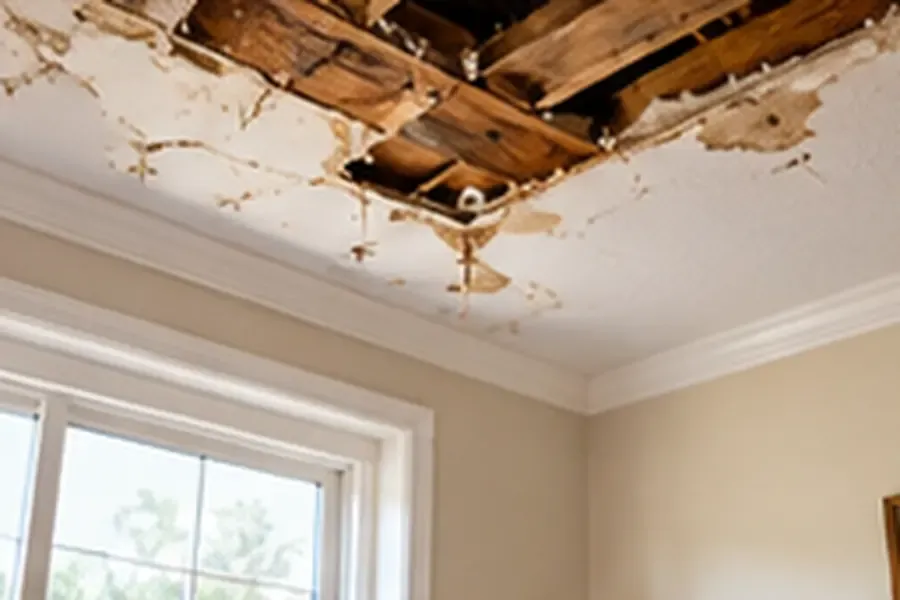
Local know-how
Understanding water damage in Littleton, Colorado
Littleton's weather creates a few kinds of water damage again and again.
Frozen pipes
Winter cold snaps freeze pipes in exterior walls, garages and crawl spaces. When they thaw, water often runs inside the wall before anyone notices.
Snowmelt and storms
Littleton gets only about 16 inches of precipitation and about 66 inches of snow in a typical year (Western Regional Climate Center data), and the air is dry most of the time. But spring snowmelt and summer thunderstorms deliver it all at once, flooding window wells and basements.
Hail and roofs
The Front Range sees frequent hail. Damaged shingles and flashing can leak slowly into attics and ceilings for months.
Winter cold snaps in Littleton can freeze pipes in exterior walls, garages and crawl spaces. When the pipe thaws, water often runs inside the wall before anyone notices.
Spring snowmelt, summer hailstorms and heavy afternoon rain cause basement and roof leaks. The industry standard for water damage drying is the IICRC S500, which describes how to dry structures based on the type and amount of water.
How much does water damage restoration cost?
Water damage restoration cost depends on how much water, how far it spread and the type of water. We document everything for your insurer.
Mold removal cost in LittletonRelated services
Often needed together
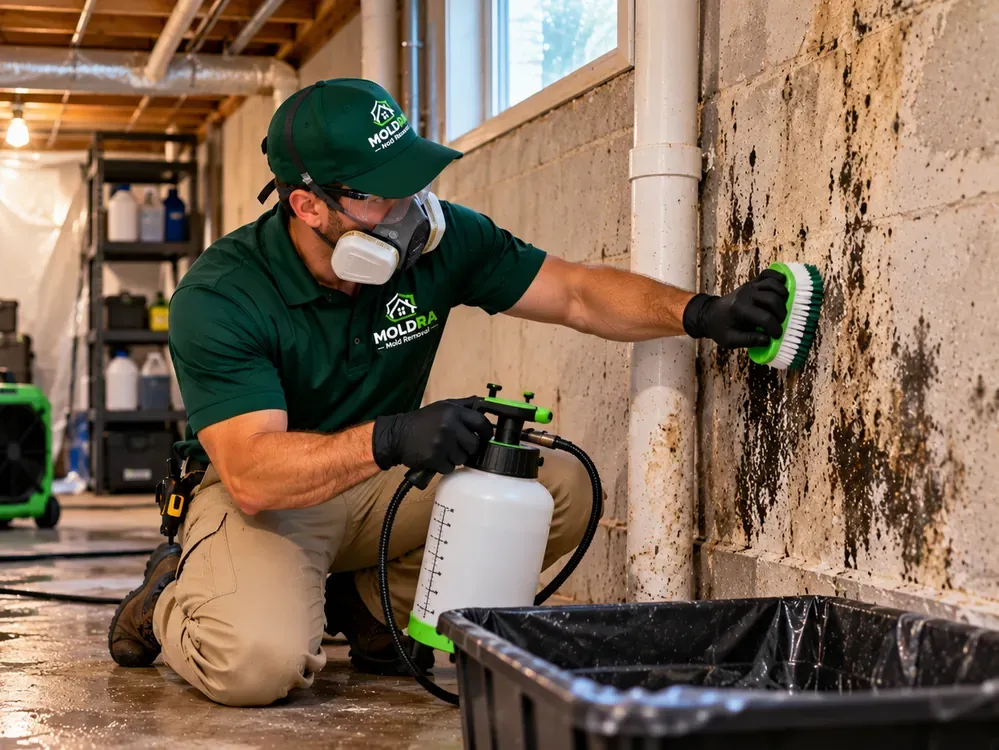
Basement Mold Removal
Finished and unfinished basements, behind drywall, carpet and framing.
Learn more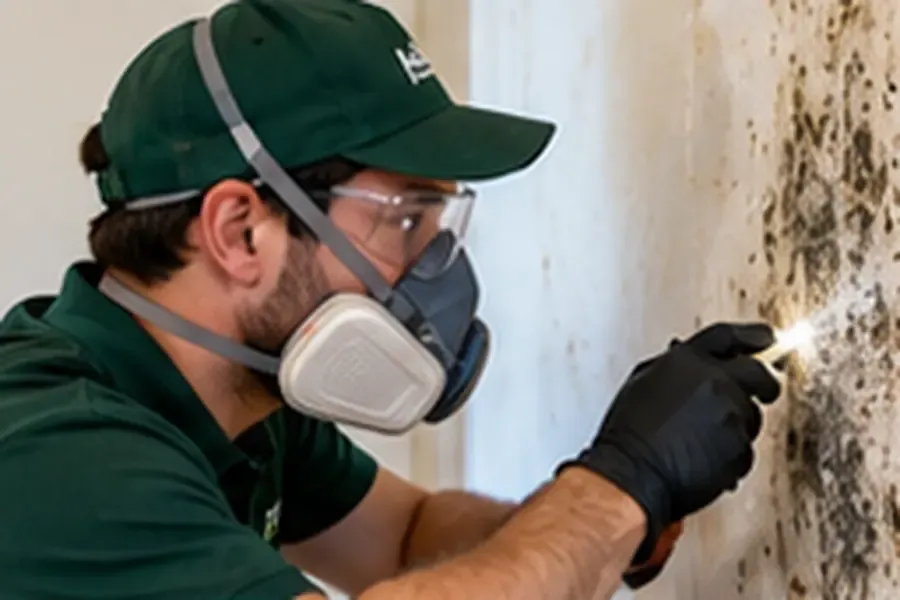
Black Mold Removal
Safe removal of Stachybotrys and other dark molds, with containment and testing.
Learn more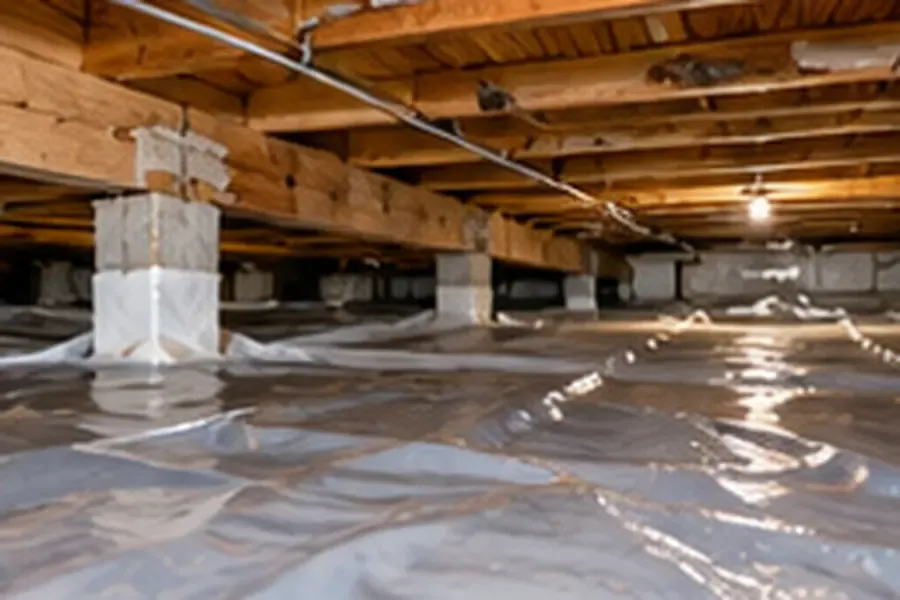
Crawl Space Encapsulation
Vapor barrier, sealing and moisture control so mold does not come back.
Learn more
Mold removal in Littleton
Full remediation from inspection to clearance testing.
Learn moreFrom our blog
Mold guides for Littleton homeowners
Plain-English answers from our team about spotting mold, testing and what removal involves.
-
 Cost & insurance
Does Homeowners Insurance Cover Mold Removal in Colorado?
When homeowners insurance pays for mold removal in Colorado, when it does not, and how to document a claim. Plus what renters should know about H.B. 19-1170.
Read the guide -
 Remediation
How Long Does Mold Remediation Take?
Typical mold remediation timelines for a bathroom, basement or crawl space, what affects the schedule, and whether you can stay home. Plus how to keep mold from coming back.
Read the guide -
 Signs & causes
Why Littleton Homes Get Mold (Even in a Dry Climate)
Colorado is dry, so why do Littleton homes get mold? Snowmelt, storms, finished basements, swamp coolers and frozen pipes. The local causes and how to prevent them.
Read the guide
Service areas
We serve these areas in Littleton, CO
From our office on W Cross Dr we cover all of Littleton and the neighborhoods around it. Pick your area to see the mold problems we see there most.
- Littleton
- Downtown Littleton
- Southwest Littleton
- Ken Caryl
- Dakota Ridge
- Columbine
- Columbine Knolls
- Columbine Valley
- Bow Mar
- Marston Lake
- Chatfield
- Roxborough
- Sterling Ranch
Smell something musty? Talk to a Littleton mold specialist today.
Tell us what you are seeing. We will explain the next step, whether that is a test, an inspection or removal.
- Available 24/7
- Local Littleton team since 2012
- Clear written estimate before work starts
Location
Water Damage Restoration from our office on W Cross Dr
We are based on W Cross Dr in Littleton and serve the whole city and the neighborhoods around it.
Moldra 9800 W Cross Dr #110, Littleton, CO 80123 (720) 743-9257 Open in Google MapsFAQ
Water Damage Restoration questions
What should I do right after water damage?
Stop the water if you can safely do so, turn off power to wet areas, move valuables, take photos for insurance and call for help. The sooner drying starts, the lower the chance of mold.
How fast can mold grow after water damage?
The EPA says mold can begin to grow within 24 to 48 hours on wet materials. That is why drying in the first day or two matters so much.
Does insurance cover water damage?
Many homeowners policies cover sudden and accidental water damage, such as a burst pipe, but not long-term leaks or flooding from outside. Check your policy and call your insurer.
How long does it take to dry a house after a leak?
Most structures dry in three to five days with professional equipment, depending on materials and how wet they got.