

Open 24/7 · Serving Littleton and nearby neighborhoods
Mold Removal & Remediation in Littleton, CO
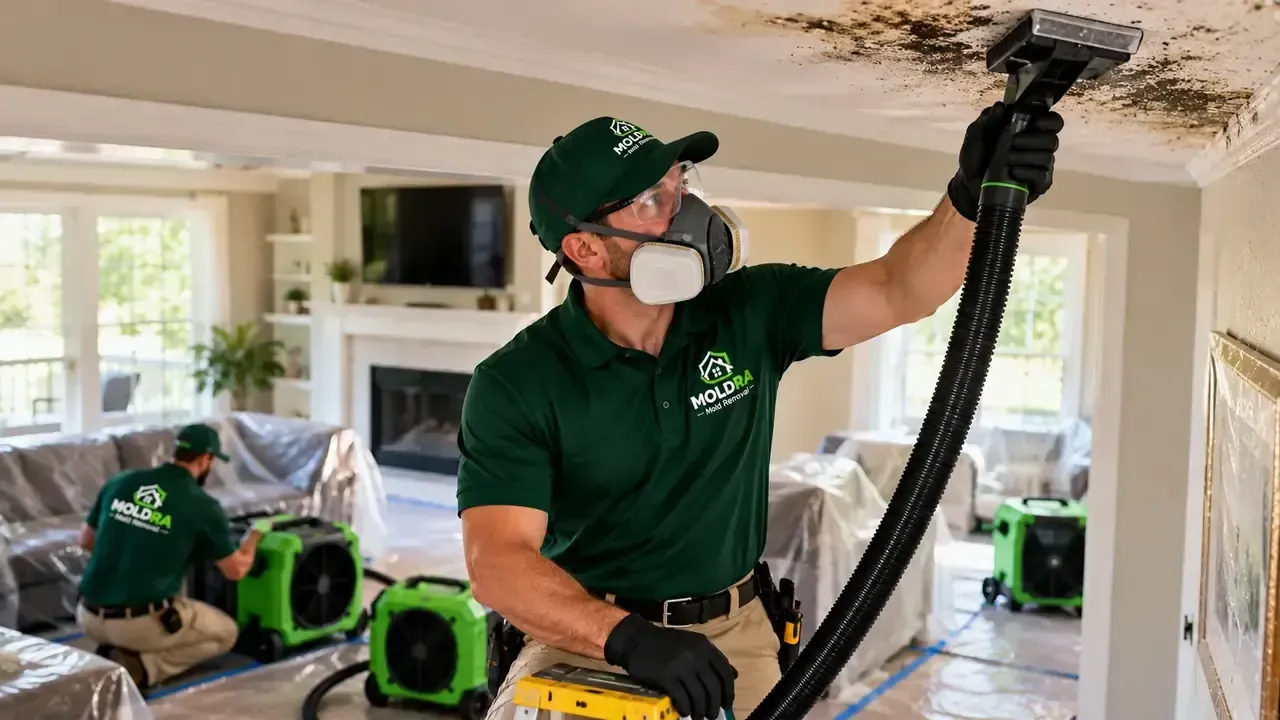
Moldra provides mold removal and remediation in Littleton, CO. Since 2012 our local team has found the moisture behind the mold, removed it safely with containment and HEPA filtration, and confirmed the area is clear before leaving. Open 24/7.
- Available 24/7
- Local Littleton team since 2012
- Clear written estimate before work starts
Get a fast estimate
Tell us what you are seeing. We call you back, 24/7.
Mold Removal in Littleton CO
- Since 2012 14+ years in Littleton
- Open 24/7 A person answers day and night
- Local office W Cross Dr, Littleton, CO
- Source found first Moisture meters and thermal imaging
- HEPA & containment Negative air on every removal
- Clearance checked Lab testing when you need proof
Start here
What are you dealing with?
Services
Mold removal services in Littleton, CO
One local team for inspection, testing, removal and prevention, so nothing gets lost between companies.
Mold Removal & Remediation
Full-service mold remediation for Littleton homes, from the first inspection to the final clearance check.
- Moisture source found and fixed
- Containment with negative air pressure
- HEPA air scrubbing and HEPA vacuuming
- Removal of moldy drywall, insulation and carpet
- Drying, antimicrobial treatment and clearance check
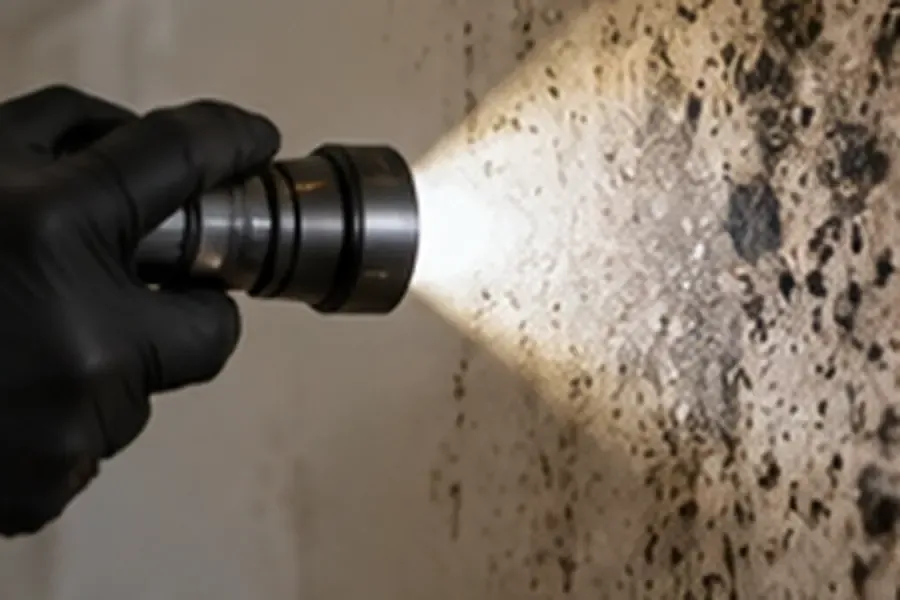
Inspection & Testing
Moisture mapping, thermal imaging, and air or swab samples analyzed by a lab.
Learn more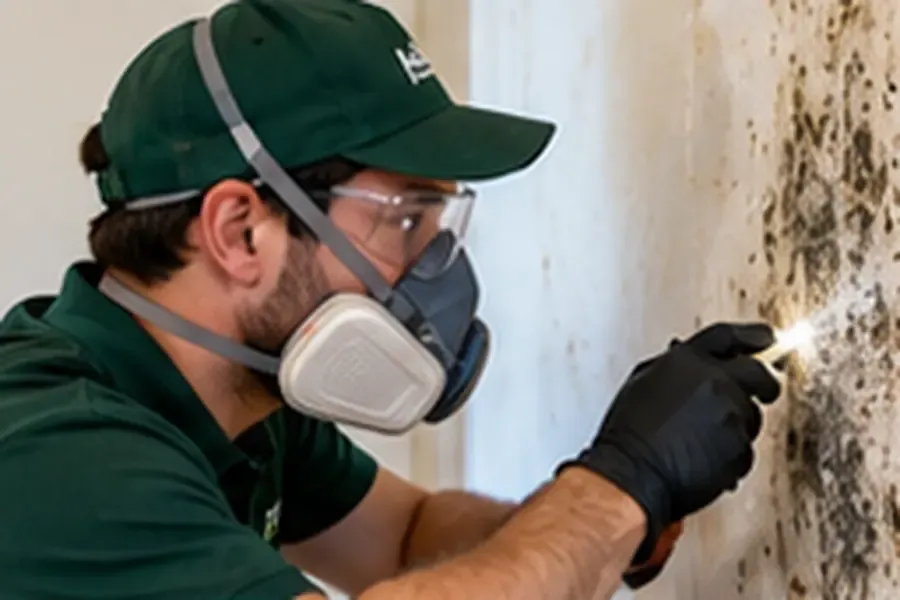
Black Mold Removal
Safe removal of Stachybotrys and other dark molds, with containment and testing.
Learn more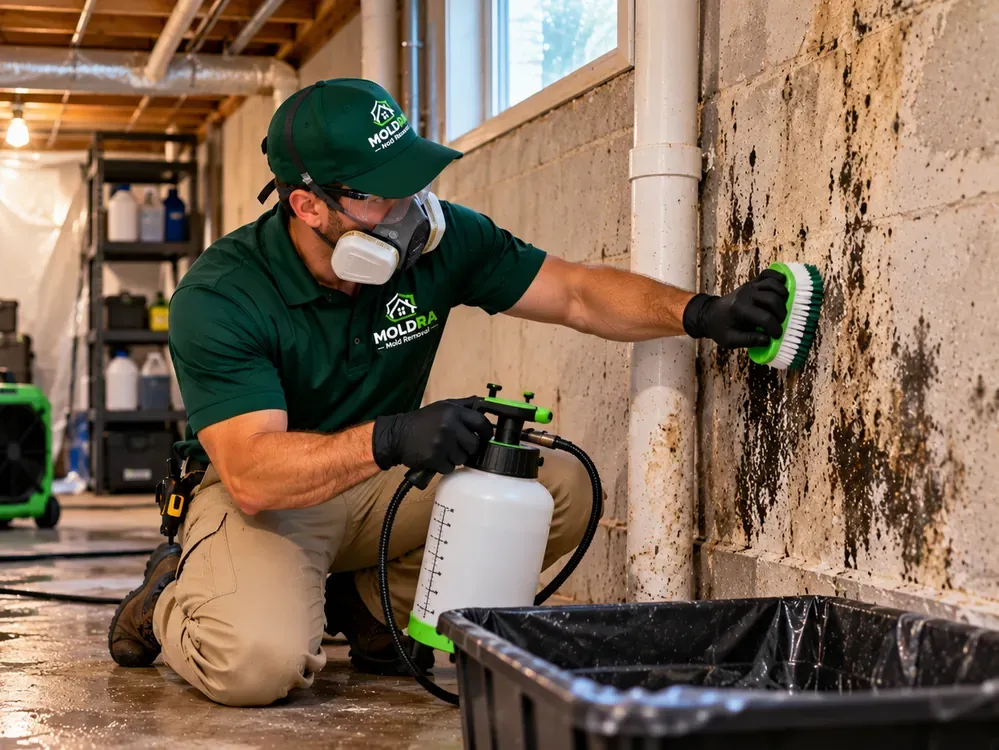
Basement Mold Removal
Finished and unfinished basements, behind drywall, carpet and framing.
Learn more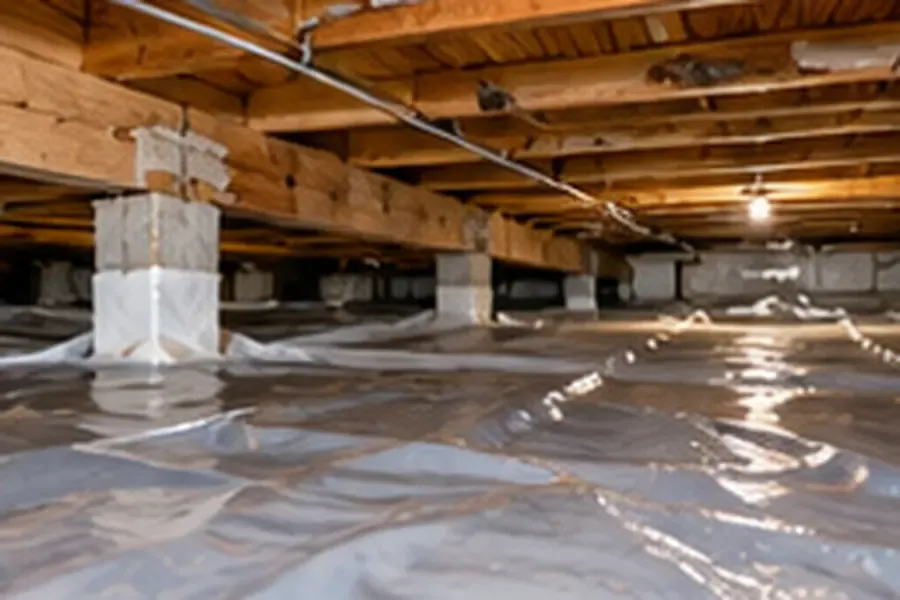
Crawl Space Encapsulation
Vapor barrier, sealing and moisture control so mold does not come back.
Learn more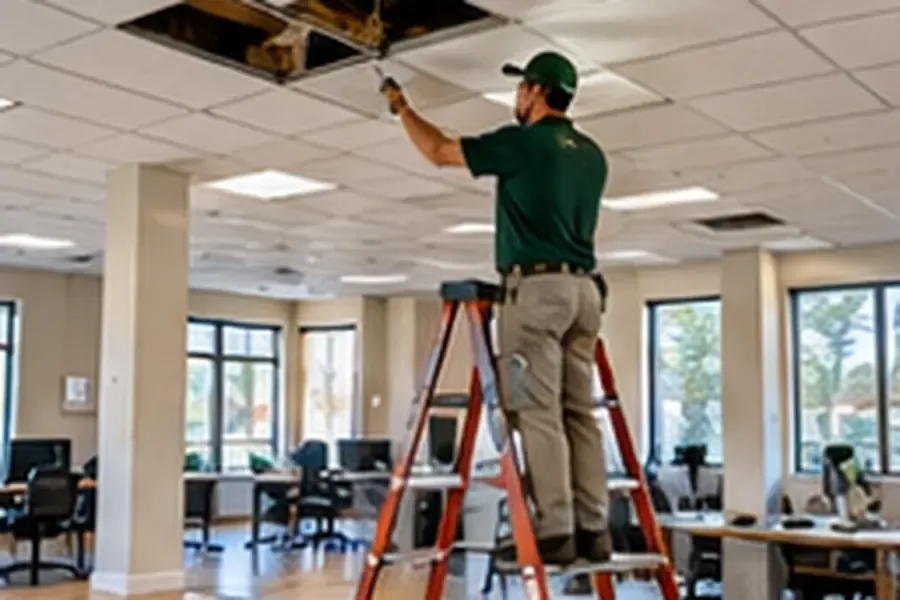
Commercial Mold Remediation
Offices, retail, rentals and HOAs, with clear scopes and documentation.
Learn more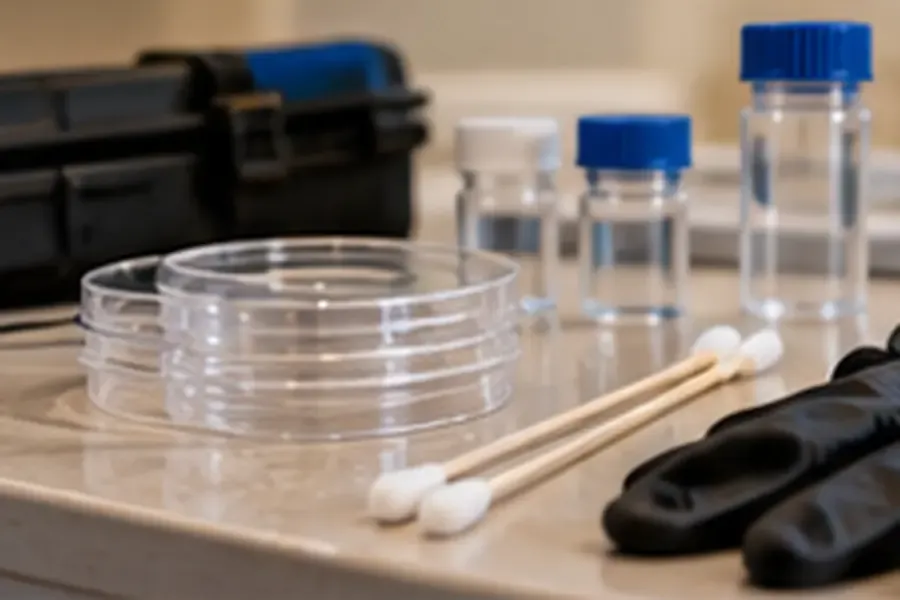
Mycotoxin Testing
Lab testing of home dust and air for mold toxins, plus mitigation.
Learn more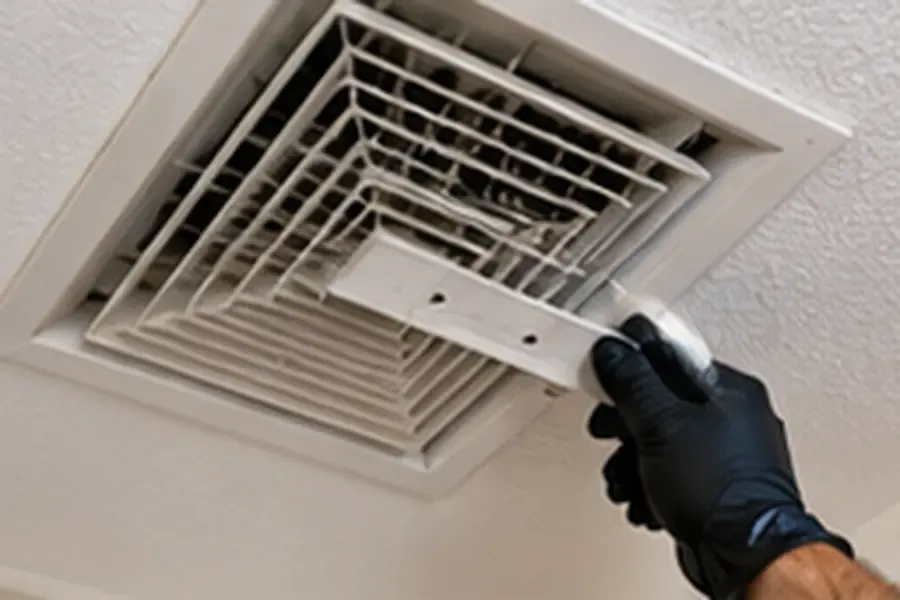
Air Quality Testing
Mold spores, humidity, particulates, VOCs and CO2 in one visit.
Learn more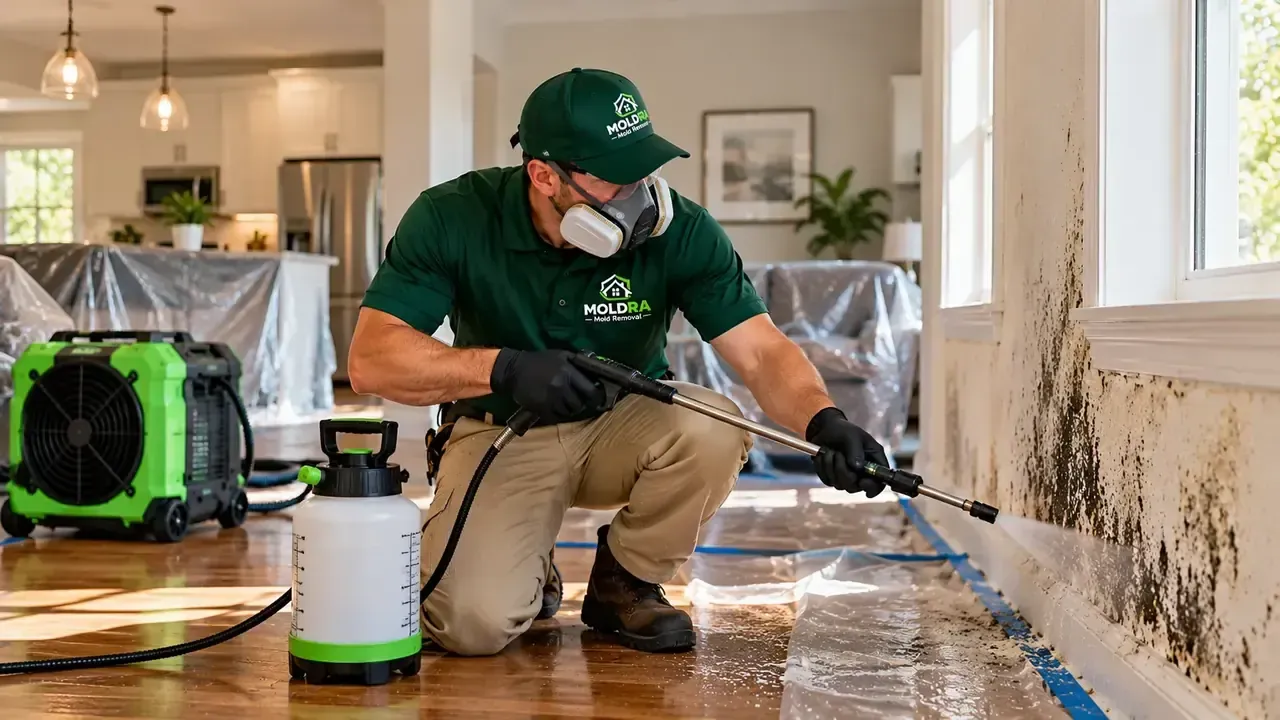
Probiotic Air Purification
Natural probiotic treatment for surfaces and air, plus indoor disinfection.
Learn more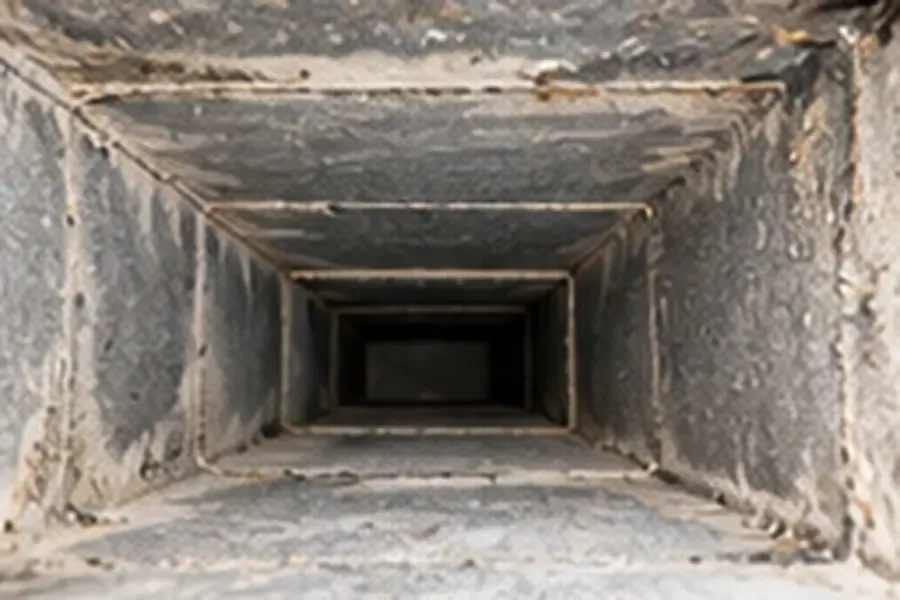
Odor Removal
Find and remove the source of musty smells, then deodorize.
Learn more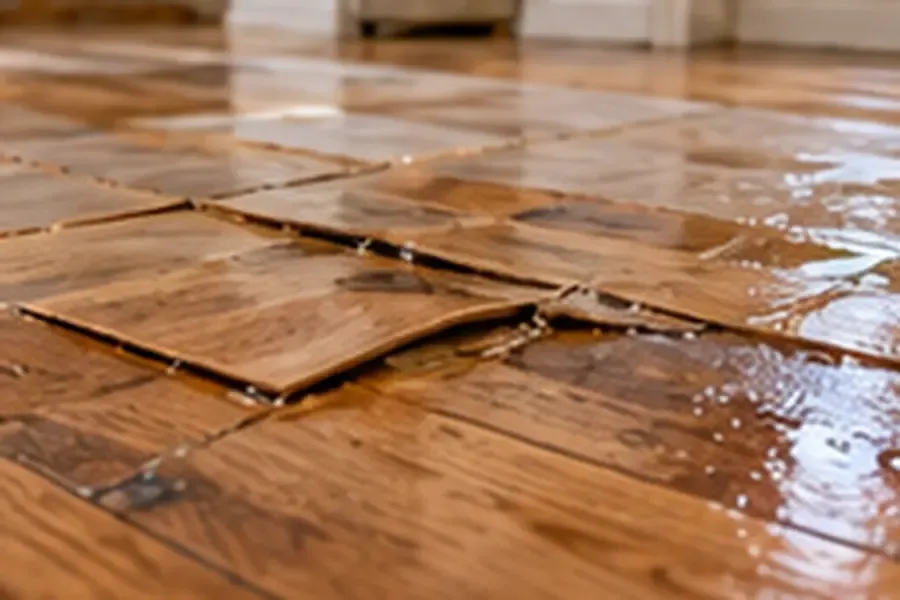
Water Damage Restoration
Extraction, structural drying and mold prevention after leaks and floods.
Learn more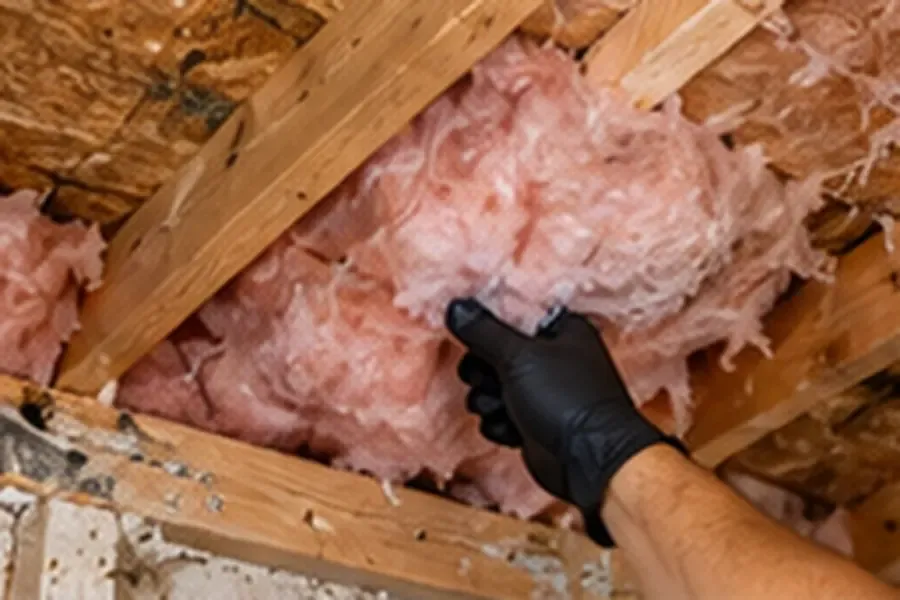
Mold Removal Cost
Littleton averages, typical ranges and what drives the price.
See typical costs
Service Areas
All of Littleton plus 12 nearby neighborhoods, each with its own page.
See all areasWhy it matters
Why you need professional mold remediation
Mold is a sign that water is getting somewhere it should not, and it keeps spreading until that changes. Here is why a full remediation beats a quick cleanup.
It comes back if the water stays
Bleach fades the color on a wall, but growth inside drywall and wood survives and returns if the moisture is still there. Fixing the source is what ends the problem.
Cleanup can spread spores
Scrubbing or tearing out moldy drywall without containment sends spores into the rest of the house. Negative air and HEPA air scrubbers keep them in the work area.
Hidden mold is usually bigger
The spot you see is often the edge of a larger patch inside a wall, under carpet pad or in a crawl space. Moisture mapping and thermal imaging show the full extent.
Health and comfort
Musty odors and allergy-like symptoms tend to ease once the mold is gone and the area is dry. Mildew on a bathroom wall is a small job; mold after flooding in a finished basement is not.
Your home's value
A buyer's inspector looks for mold and water damage. A documented remediation with clearance testing answers those questions before they turn into a price cut.
The EPA's 10 square foot line
The EPA says areas under about 10 square feet on hard surfaces can usually be cleaned by a homeowner. Beyond that, or on drywall, insulation or in HVAC, call a professional.
Mold remediation, explained
Removal is the visible part. Remediation is the whole fix.
Wiping mold off a wall removes what you can see. Mold remediation deals with the whole problem: the moisture that caused it, the spores that spread during cleanup and the hidden growth inside drywall, insulation and carpet.
The industry standard for this work is ANSI/IICRC S520. It describes how to judge contamination, from normal background levels (Condition 1) to settled spores (Condition 2) to actual growth (Condition 3), and how to bring an area back to normal. We follow this approach on every job.
You may hear it called mold removal, mold mitigation, mold cleaning or black mold removal. The job is the same: control the moisture, remove the growth and prevent it from coming back. That ranges from mildew removal in a bathroom to basement mold removal after a flood, with mold inspection and air quality testing before and after.
The EPA's advice is simple: fix the water problem first, then clean up and dry. Mold can start growing within 24 to 48 hours after something gets wet, so fast action matters.
Our process
How we remove mold in Littleton, step by step
Every job follows the same six steps, based on the ANSI/IICRC S520 standard for mold remediation. The size changes from a bathroom wall to a whole basement, but the order does not.
-
Step 1: Inspection & assessment
We check the whole home with moisture meters, a hygrometer and a thermal imaging camera to find visible and hidden mold and the water feeding it. When the source is hidden or you need proof, we take air or swab samples for an independent lab. You get a written scope and estimate before work starts.
-
Step 2: Containment & air filtration
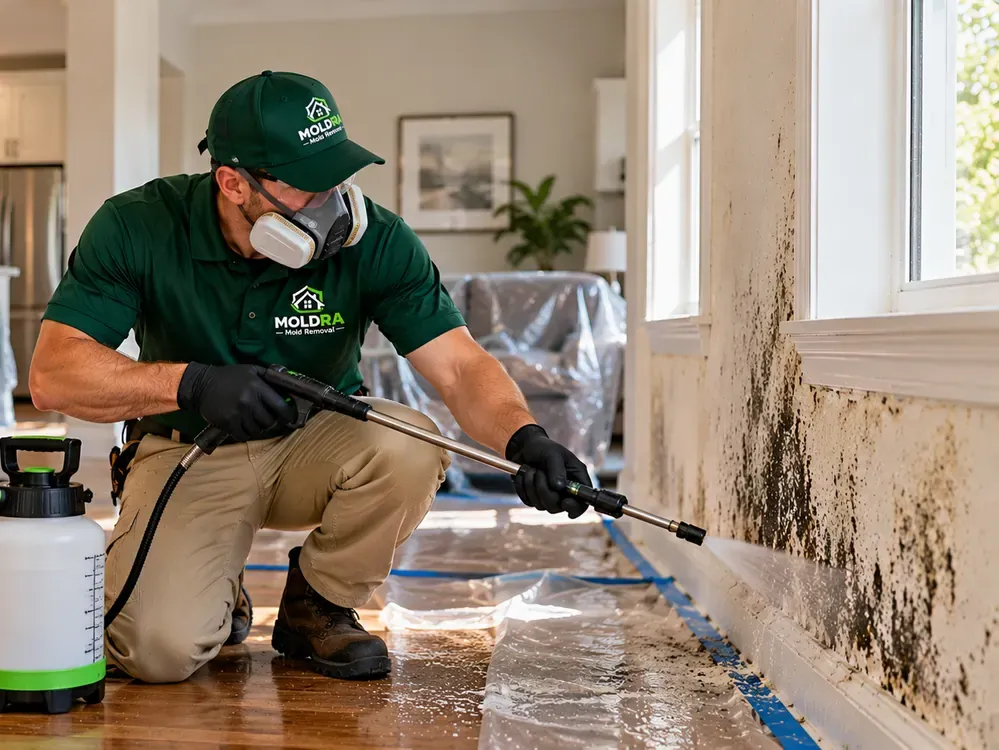
We seal the work area with plastic sheeting and a zipper door, then run negative air machines so air flows into the work area, not out of it. HEPA air scrubbers clean spores from the air the whole time we work, which protects the rest of the house.
-
Step 3: Removal & treatment
Moldy drywall, insulation, carpet and pad are cut out, bagged and taken away. Framing, subfloor and concrete are HEPA vacuumed, scrubbed and treated with an antimicrobial. This is the mold cleaning and mold treatment part of the job, done inside containment.
-
Step 4: Structural drying & dehumidification
Dehumidifiers and air movers dry the framing and concrete, and we log moisture readings until the materials are dry. The EPA advises drying wet materials within 24 to 48 hours, because that is how fast mold can start growing.
-
Step 5: Post-remediation verification
Before anything is rebuilt, we confirm the area is clean, dry and back to normal. Clearance testing with air samples gives you lab proof when you need it for a home sale, a landlord or your own peace of mind.
-
Step 6: Prevention & restoration
We fix the moisture cause, or tell you exactly who should: grading, downspouts, plumbing, a sump pump or crawl space encapsulation. You get a simple plan to keep indoor humidity between 30 and 50 percent, and the area is ready to rebuild.
Before & after
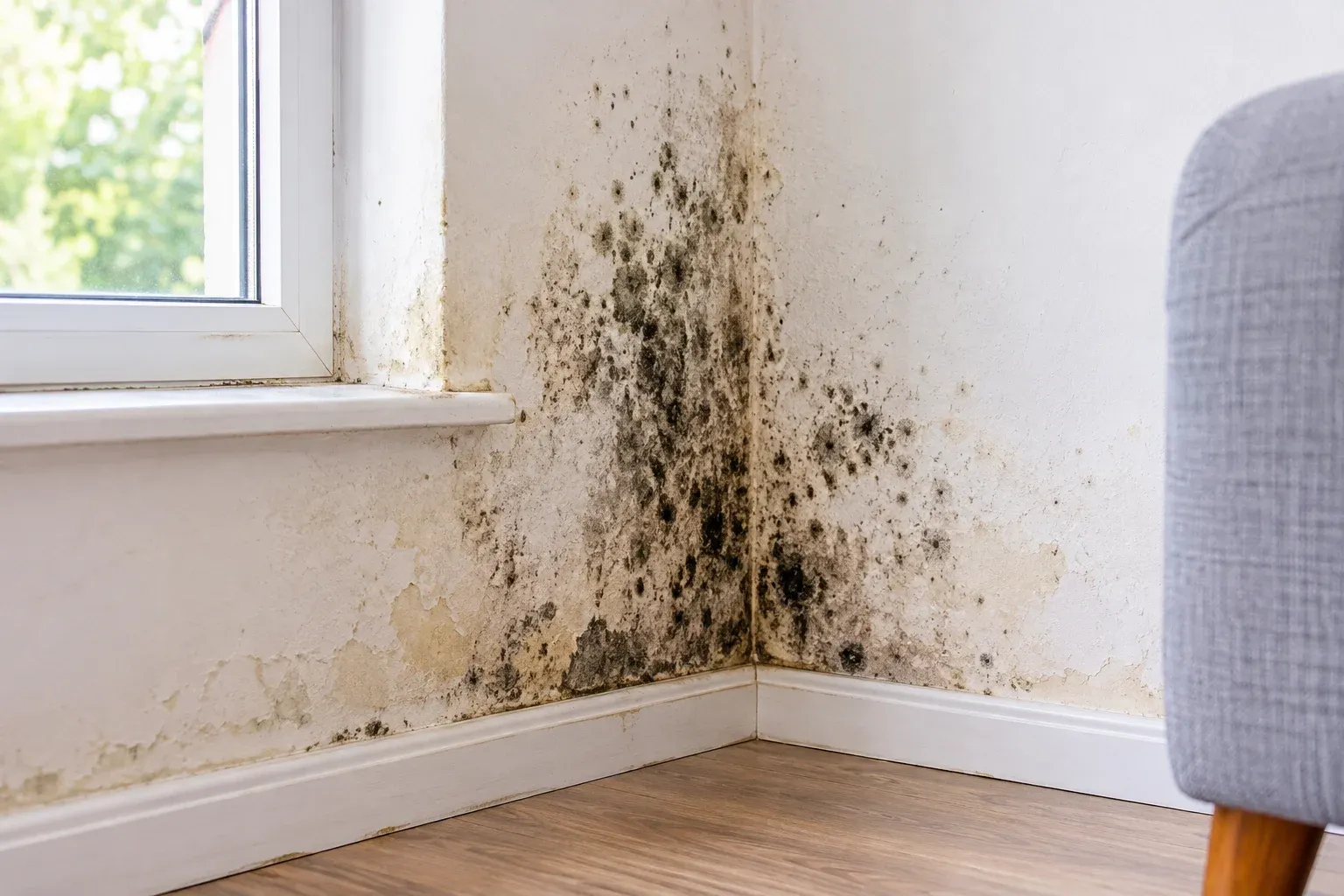
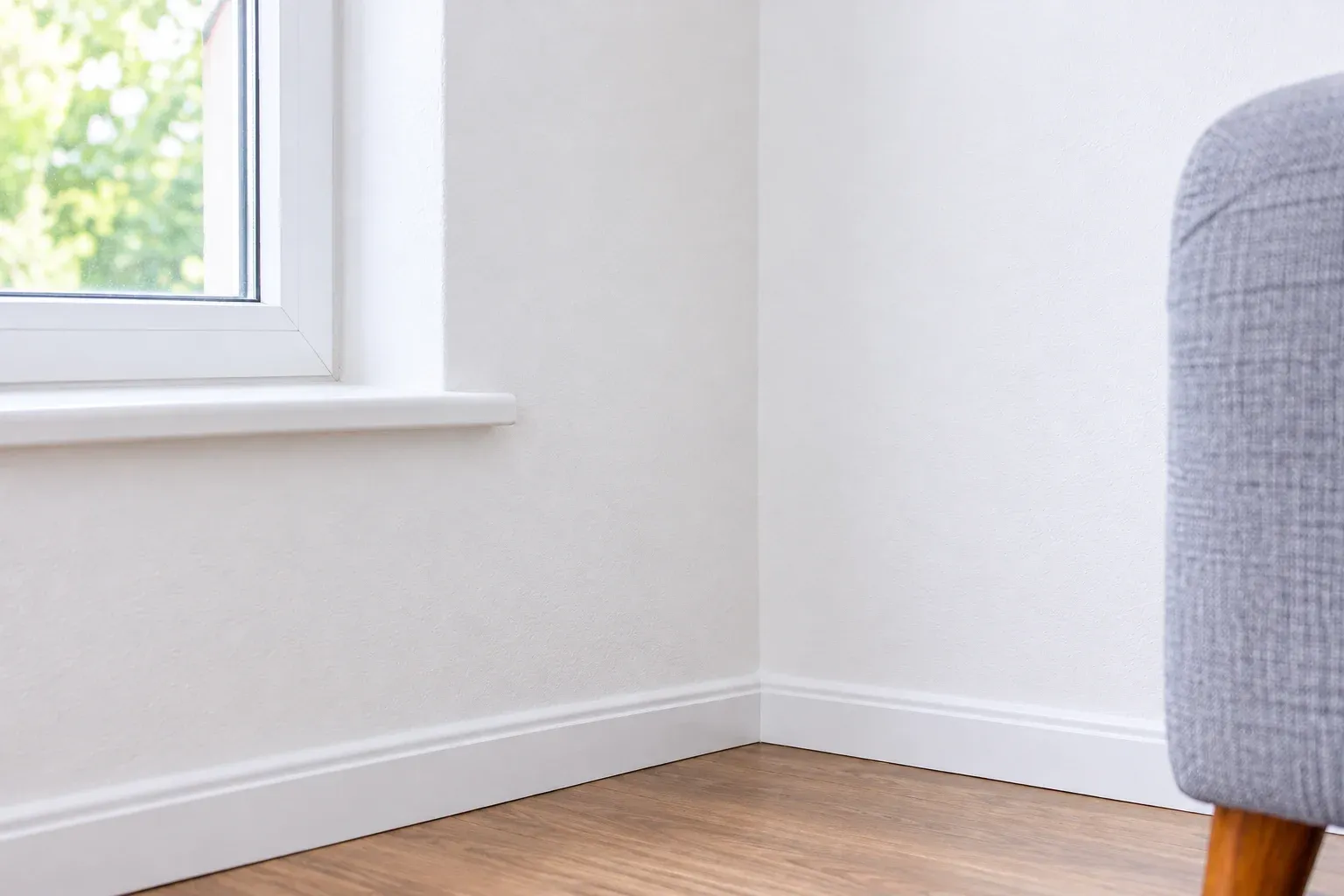
Mold removal before and after
The same wall corner before we started and after the mold was removed, the wall dried and repaired, and the area repainted.
Why Moldra
Why Littleton homeowners call Moldra
-
In Littleton since 2012
14+ years of mold and moisture work in local homes, so we know the basements, crawl spaces and weather here.
-
Open 24/7
Leaks and floods do not wait. A person answers the phone day and night, and we move fast because mold can start in 24 to 48 hours.
-
A real local office
We work out of 9800 W Cross Dr #110 in Littleton. Not a call center, not a national franchise.
-
Moisture source found first
Every job starts by finding the water. Removing mold without fixing the cause only buys time.
-
Written estimate before work
You see the scope, the containment plan and the price in writing before anything is removed.
-
Clearance check at the end
We confirm the area is back to normal before you rebuild, with lab testing when you need proof.
Local know-how
Understanding mold in Littleton, Colorado
Littleton is dry most of the year, so mold here is less about humid air and more about how water reaches a house. These are the local conditions behind most of the jobs we see.
Dry climate, water in bursts
Littleton sits at roughly 5,300 to 5,400 feet where the plains meet the foothills. Littleton gets only about 16 inches of precipitation and about 66 inches of snow in a typical year (Western Regional Climate Center data), and the air is dry most of the time. Most of that water arrives in short bursts: spring snowmelt, heavy wet snow and summer thunderstorms that often bring hail. Those bursts overflow gutters and window wells and push water against foundations.
Soils and terrain
Expansive clay soils are common along the Front Range. They swell when wet and shrink as they dry, which can crack foundation walls and slabs over time and give water a way in. On the west side, homes in Ken Caryl, Dakota Ridge and Roxborough sit on slopes below the foothills, so runoff flows toward them. Lots near the South Platte River and Chatfield Reservoir can see higher groundwater after a wet spring.
Littleton homes
Littleton has houses more than a century old near Main Street, mid-century ranches, 1970s and 1980s split-levels and bi-levels, and brand-new builds in Sterling Ranch. Many have finished basements with drywall and carpet against concrete, and split-levels often have a crawl space beside the lower level. Those are the places mold grows where nobody looks.
Common indoor molds
The molds found most often indoors are Cladosporium, Penicillium and Aspergillus, which grow on damp drywall, wood and dust. Stachybotrys chartarum, often called black mold, needs materials that stay wet for a long time, so in a dry climate it usually points to a long-running leak. Color does not tell you the species; only a lab can.
Mold and health
The CDC notes that damp, moldy buildings can cause a stuffy nose, wheezing, and red or itchy eyes or skin, and that people with asthma, allergies or weakened immune systems can react more strongly. The CDC advises removing mold and fixing the moisture whatever the type, rather than testing to decide if it is dangerous.
Service areas
We serve these areas in Littleton, CO
From our office on W Cross Dr we cover all of Littleton and the neighborhoods around it. Pick your area to see the mold problems we see there most.
- Littleton
- Downtown Littleton
- Southwest Littleton
- Ken Caryl
- Dakota Ridge
- Columbine
- Columbine Knolls
- Columbine Valley
- Bow Mar
- Marston Lake
- Chatfield
- Roxborough
- Sterling Ranch
Cost
How much does mold removal cost in Littleton?
Mold removal cost in Littleton averages about $1,953, and most mold remediation jobs fall between about $953 and $2,898, according to Angi. Your price depends mainly on the size of the area and what has to be removed. We give you a written estimate before any work starts.
- Littleton average
- $1,953
- Typical range
- $953–$2,898
- Biggest factor
- Size of the area
Source: Angi cost data for mold remediation in Littleton, CO. Large basements, crawl spaces and commercial jobs can cost more.
What affects the price of mold remediation
Size of the affected area
The biggest factor. A patch behind a sink is a small job; a whole finished basement is a large one.
Where the mold is
Basements, crawl spaces, attics and HVAC systems are harder to reach and contain than an open wall.
Materials to remove
Drywall, insulation, carpet and pad add removal and disposal time. Hard surfaces can often be cleaned in place.
Containment needed
Larger jobs need plastic barriers, negative air machines and HEPA air scrubbers running for days.
Testing
Air or swab samples and clearance testing add lab fees, but they document the problem and prove the result.
The moisture source
Fixing a leak, grading or ventilation problem may need other trades. It is what stops the mold coming back.
Mold removal cost by type of job
| Job | What it usually involves | Where it falls |
|---|---|---|
| Small area, hard surfaces | Under about 10 sq ft, e.g. behind a sink or around a window | Lower end |
| Single room or bathroom | Some drywall removal, light containment | Around the Littleton average |
| Part of a basement | Drywall, carpet and pad removal, containment, drying | Mid to upper range |
| Whole basement or crawl space | Large containment, several days of drying, possible encapsulation | Above the typical range |
| Attic | Roof sheathing treatment, ventilation fixes | Depends on attic size and access |
| Inspection and testing only | Inspection, air and swab samples, lab fees | Priced by number of samples |
How to compare mold removal quotes
The cheapest quote often leaves out the steps that keep mold from coming back. Ask every company these questions, and get the scope in writing.
- Does it include containment and negative air?
- Are HEPA air scrubbers and HEPA vacuuming included?
- Which materials will be removed, and how much?
- How will the moisture source be found and fixed?
- Is drying included, with moisture readings?
- Is there a clearance check at the end?
From our blog
Mold guides for Littleton homeowners
Plain-English answers from our team about spotting mold, testing and what removal involves.
-
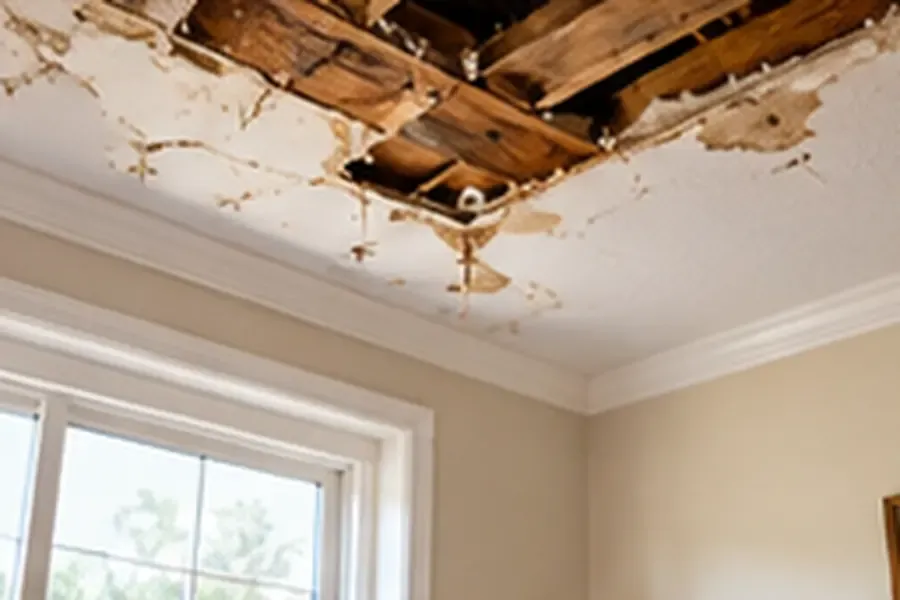
 Signs & causes
7 Signs of Mold in Your Home (and Where It Hides)
The first signs of mold in a house: musty smells, stains, peeling paint, allergy symptoms and more. Where hidden mold grows in Littleton homes and what to do.
Read the guide -
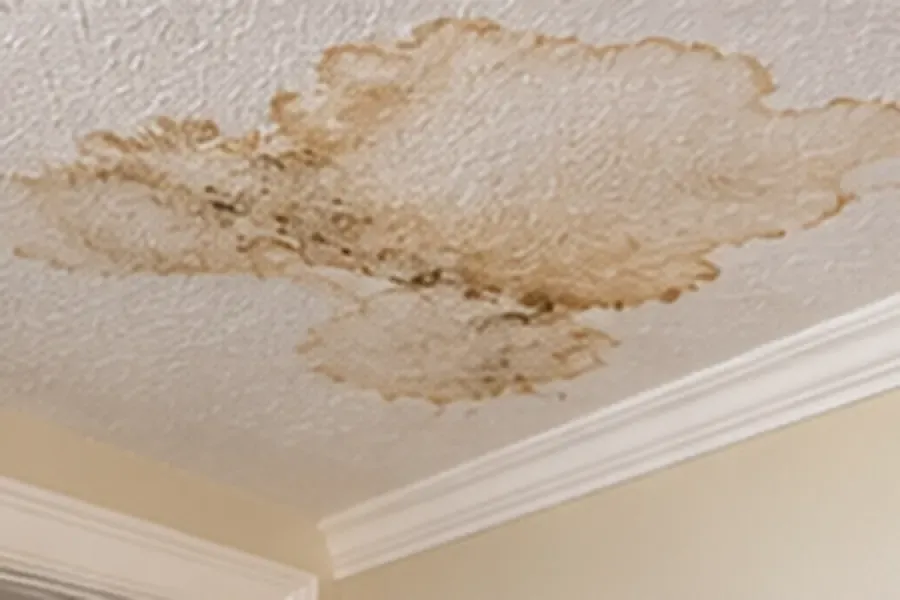
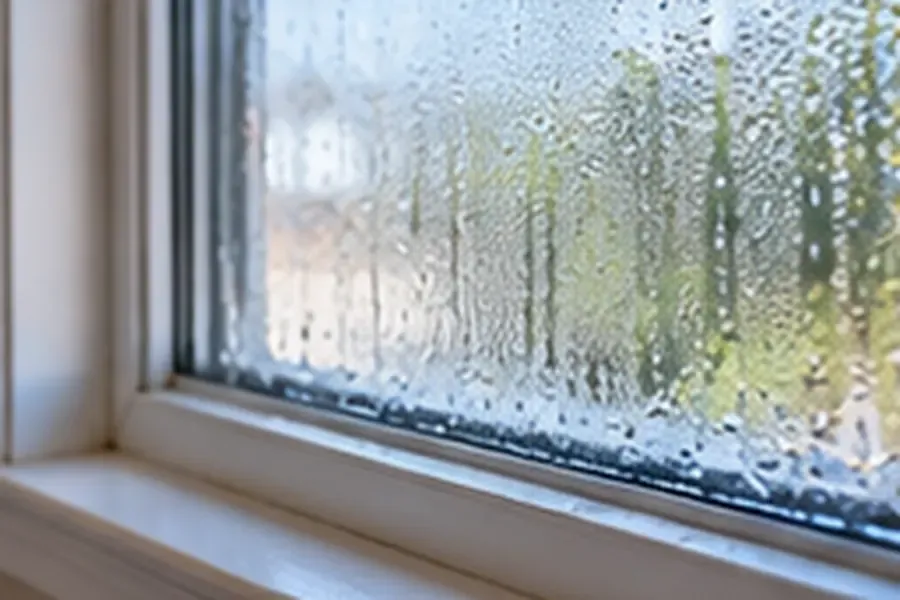 Signs & causes
Why Littleton Homes Get Mold (Even in a Dry Climate)
Colorado is dry, so why do Littleton homes get mold? Snowmelt, storms, finished basements, swamp coolers and frozen pipes. The local causes and how to prevent them.
Read the guide -
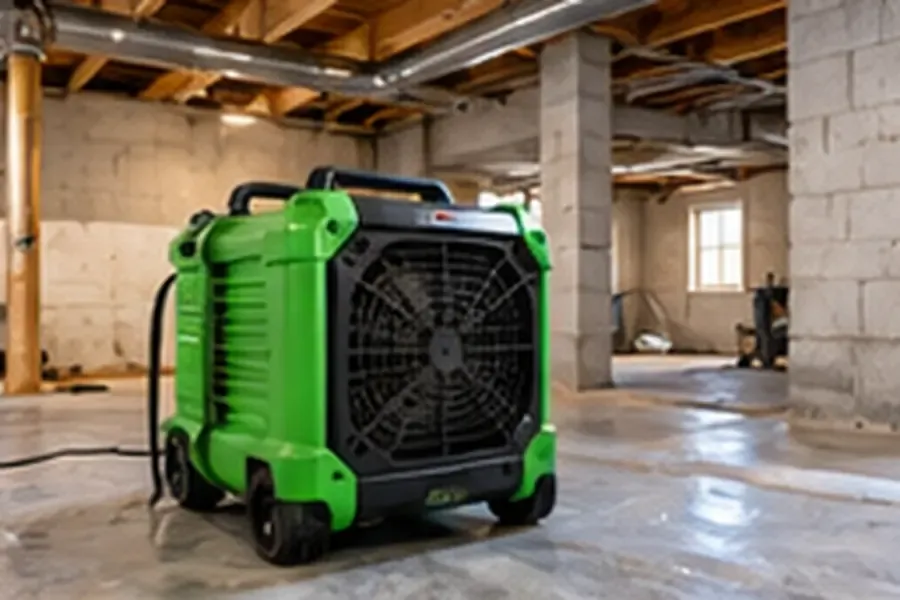 Remediation
How Long Does Mold Remediation Take?
Typical mold remediation timelines for a bathroom, basement or crawl space, what affects the schedule, and whether you can stay home. Plus how to keep mold from coming back.
Read the guide
Smell something musty? Talk to a Littleton mold specialist today.
Tell us what you are seeing. We will explain the next step, whether that is a test, an inspection or removal.
- Available 24/7
- Local Littleton team since 2012
- Clear written estimate before work starts
Location
Serving all of Littleton, CO
Our office is at 9800 W Cross Dr #110 in Southwest Littleton, and we cover the whole city and the neighborhoods around it, in Arapahoe, Jefferson and Douglas counties.
Moldra 9800 W Cross Dr #110, Littleton, CO 80123 (720) 743-9257 Open in Google MapsFAQ
Mold removal in Littleton: common questions
Who should I call for mold removal in Littleton, CO?
Call a local mold remediation company that also finds the moisture source. Moldra has removed mold in Littleton since 2012, is open 24/7, and is based at 9800 W Cross Dr #110, Littleton, CO 80123. Phone: (720) 743-9257.
What is the difference between mold removal and mold remediation?
People use the words interchangeably. Strictly, "removal" means taking mold away, while "remediation" is the full process: finding the moisture source, containing the area, removing moldy materials, cleaning, drying and confirming the area is back to normal. That full process is what we do.
How much does mold removal cost in Littleton?
It depends mainly on the size of the area and the materials involved. Angi reports an average of about $1,953 for mold remediation in Littleton, with most jobs between about $953 and $2,898. Large basements and crawl spaces cost more. The cost section on this page explains what moves the price.
Why do mold removal quotes vary so much?
Quotes differ in what they include: containment, HEPA equipment, removal of materials, drying, testing and clearance. Ask every company for a written scope so you compare the same work.
Can I remove mold myself?
The EPA says small areas under about 10 square feet on hard surfaces can usually be cleaned with detergent and water. Larger areas, mold on drywall or insulation, or a hidden moisture source need a professional with containment and HEPA equipment.
How long does mold remediation take?
A small, single-room job often takes one to three days including drying. Whole basements and crawl spaces take longer. You get a timeline with your written estimate.
Will the mold come back?
Not if the moisture source is fixed and the area stays dry. That is why every job starts with finding the water and ends with a plan to keep humidity in the 30 to 50 percent range.
Does insurance cover mold removal?
Often only when the mold comes from a sudden, covered water event like a burst pipe. Mold from long-term leaks or humidity is usually excluded. We provide documentation for claims.
Do you offer emergency mold and water damage service?
Yes. Moldra is available 24/7. For active leaks or flooding, call (720) 743-9257 right away, because mold can start growing within 24 to 48 hours.
Which areas do you serve?
All of Littleton, including Downtown Littleton, Southwest Littleton, Ken Caryl, Dakota Ridge, Columbine, Columbine Knolls, Columbine Valley, Bow Mar, Marston Lake, Chatfield, Roxborough, and Sterling Ranch. Each area has its own page on this site.