

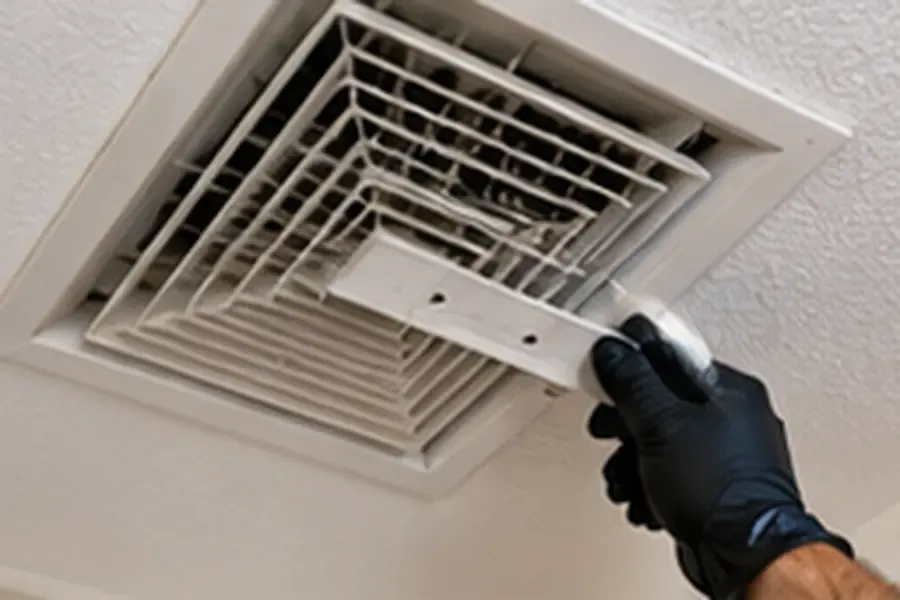
Air Quality Testing · Littleton, CO · Open 24/7
Indoor Air Quality Testing in Littleton, CO
Moldra provides indoor air quality testing in Littleton, CO. In one visit we measure airborne mold spores, humidity, fine particles (PM2.5), VOCs and carbon dioxide room by room, compare them with outdoor air, and give you a plain-English list of what to fix, from ventilation to humidity to filtration.
- Available 24/7
- Local Littleton team since 2012
- Clear written estimate before work starts
Get a fast estimate
Tell us what you are seeing. We call you back, 24/7.
Air Quality Testing Littleton
- Since 2012 14+ years in Littleton
- Open 24/7 A person answers day and night
- Local office W Cross Dr, Littleton, CO
- Source found first Moisture meters and thermal imaging
- HEPA & containment Negative air on every removal
- Clearance checked Lab testing when you need proof
What does indoor air quality testing in Littleton, CO measure?
Indoor air quality testing measures airborne mold spores, relative humidity, fine particles (PM2.5), volatile organic compounds (VOCs) and carbon dioxide (a sign of poor ventilation). Comparing readings room by room, and with outdoor air, shows where problems come from.
Who to call in Littleton: Moldra has handled air quality testing in Littleton, CO since 2012, from our local office at 9800 W Cross Dr #110, Littleton, CO 80123. We are open 24/7. Call (720) 743-9257.
When should you test your indoor air?
- Allergy or asthma symptoms that are worse at home
- Musty, chemical or stale smells
- Headaches or stuffiness in certain rooms
- After a renovation, new flooring or new furniture
- Smoke getting inside during wildfire season
- You run a humidifier all winter and want to check humidity
Why it matters
Why you need air quality testing
Air quality testing turns a vague feeling about your home's air into numbers you can act on.
Unexplained symptoms
Allergy-like symptoms that ease when you leave home are worth checking.
Musty smell, no visible mold
Air samples can show whether mold is growing somewhere hidden.
After remediation
Testing confirms the air is back to normal after mold removal.
Humidity balance
Readings show whether your humidifier or swamp cooler is helping or hurting.
What we measure
Mold spores
Air samples analyzed by a lab, compared with an outdoor control sample.
Humidity and temperature
Room-by-room readings to spot areas that support mold growth.
Particulates (PM2.5)
Fine particles from smoke, dust and cooking.
VOCs
Chemical vapors from paints, cleaners, furniture and building materials.
Carbon dioxide
High CO2 points to rooms that need more fresh air.
Plain-English report
Readings, what they mean and practical fixes for ventilation, filtration and moisture.
Our process
How we test indoor air quality in Littleton
Air quality testing measures what is in the air you breathe at home, from mold spores to humidity and fine particles.
-
Step 1: Walk-through
We talk through your concerns and check the home, HVAC, filters, humidifiers and any swamp cooler.
-
Step 2: Humidity and temperature
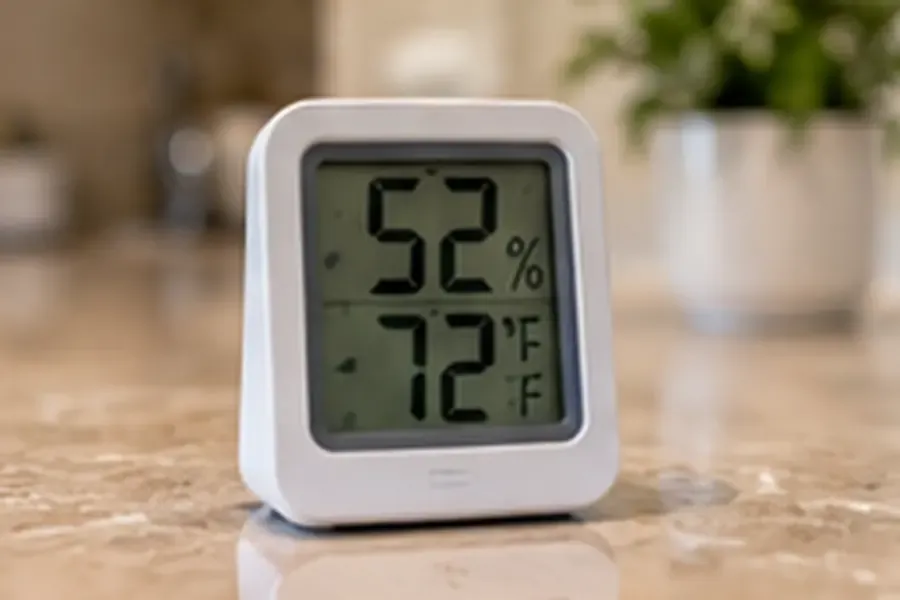
We measure relative humidity room by room. The EPA recommends keeping it between 30 and 50 percent.
-
Step 3: Particles and gases
Meters measure fine particles (PM2.5), and where useful carbon dioxide as a sign of ventilation, and total VOCs.
-
Step 4: Mold spore samples
Spore trap air samples inside, plus an outdoor control, go to an independent lab.
-
Step 5: Results in plain English
We explain each reading, what is normal, and which results point to a real problem.
-
Step 6: A practical plan
You get simple next steps: humidity settings, filter upgrades, ventilation fixes or mold work if it is needed.
Before & after
Air Quality Testing before and after
Real results from our Littleton jobs: the same spot before we started and after the work was done.
Local know-how
Understanding indoor air in Littleton, Colorado
Front Range homes have a few air quality issues of their own.
Very dry air, and humidifiers
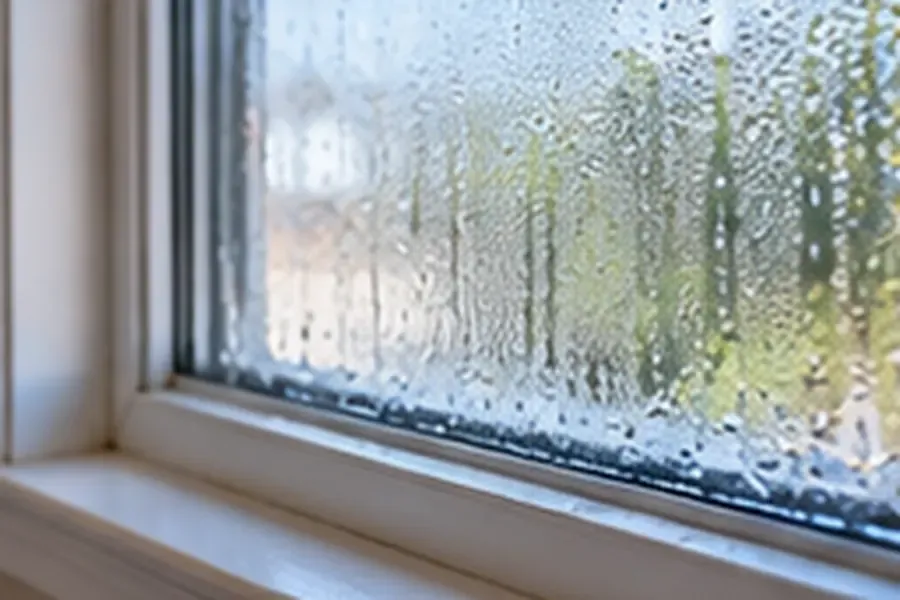
Littleton gets only about 16 inches of precipitation and about 66 inches of snow in a typical year (Western Regional Climate Center data), and the air is dry most of the time. Many families run humidifiers in winter. Set too high, they cause condensation on cold windows and mold on frames and walls.
Swamp coolers
Evaporative coolers add moisture by design. A poorly maintained cooler or its pads can grow mold and spread a musty smell.
Wildfire smoke
Smoke from fires across the West can drift into Front Range homes in summer. Particle readings show how well your windows, HVAC filter and air purifiers keep it out.
Littleton air is dry most of the year, so many families run humidifiers in winter. Set too high, a humidifier can cause condensation on windows and mold on window frames. Testing shows whether your humidity is in the healthy 30 to 50 percent range the EPA recommends.
Summer wildfire smoke from fires across the West can also drift into Front Range homes. Particle readings show how well your windows, HVAC filter and any air purifiers are keeping smoke out.
How much does air quality testing cost?
Cost depends on how many rooms and lab samples are included. See typical testing ranges in our cost guide.
Mold removal cost in LittletonRelated services
Often needed together
Inspection & Testing
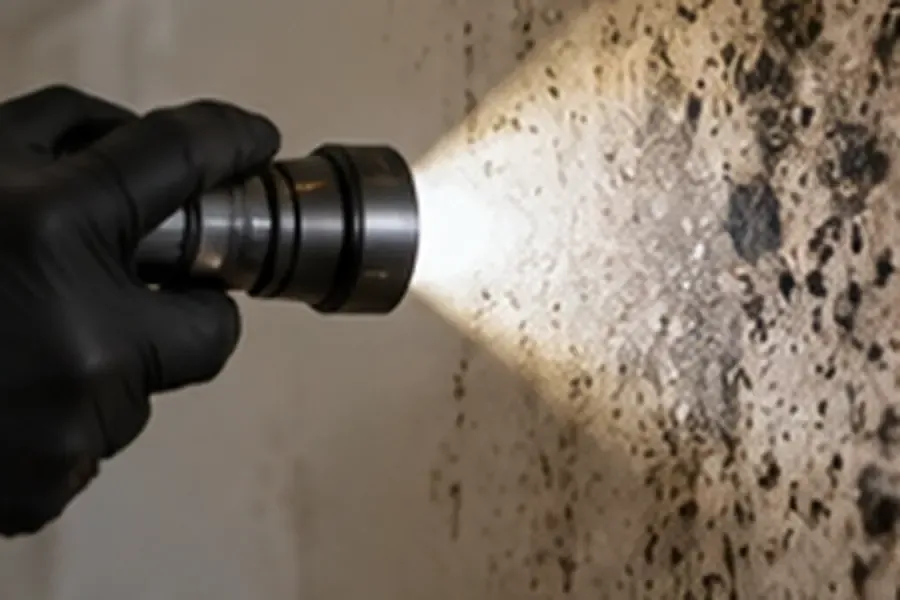
Moisture mapping, thermal imaging, and air or swab samples analyzed by a lab.
Learn more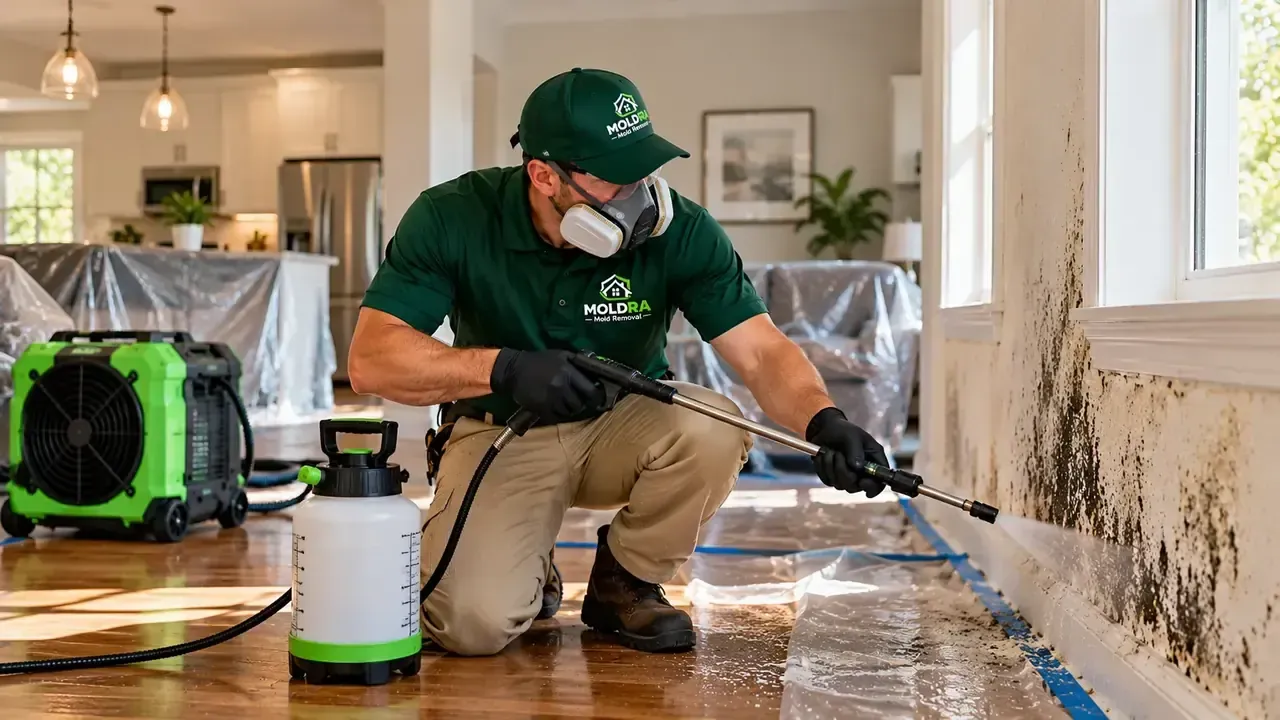
Probiotic Air Purification
Natural probiotic treatment for surfaces and air, plus indoor disinfection.
Learn more
Mycotoxin Testing
Lab testing of home dust and air for mold toxins, plus mitigation.
Learn more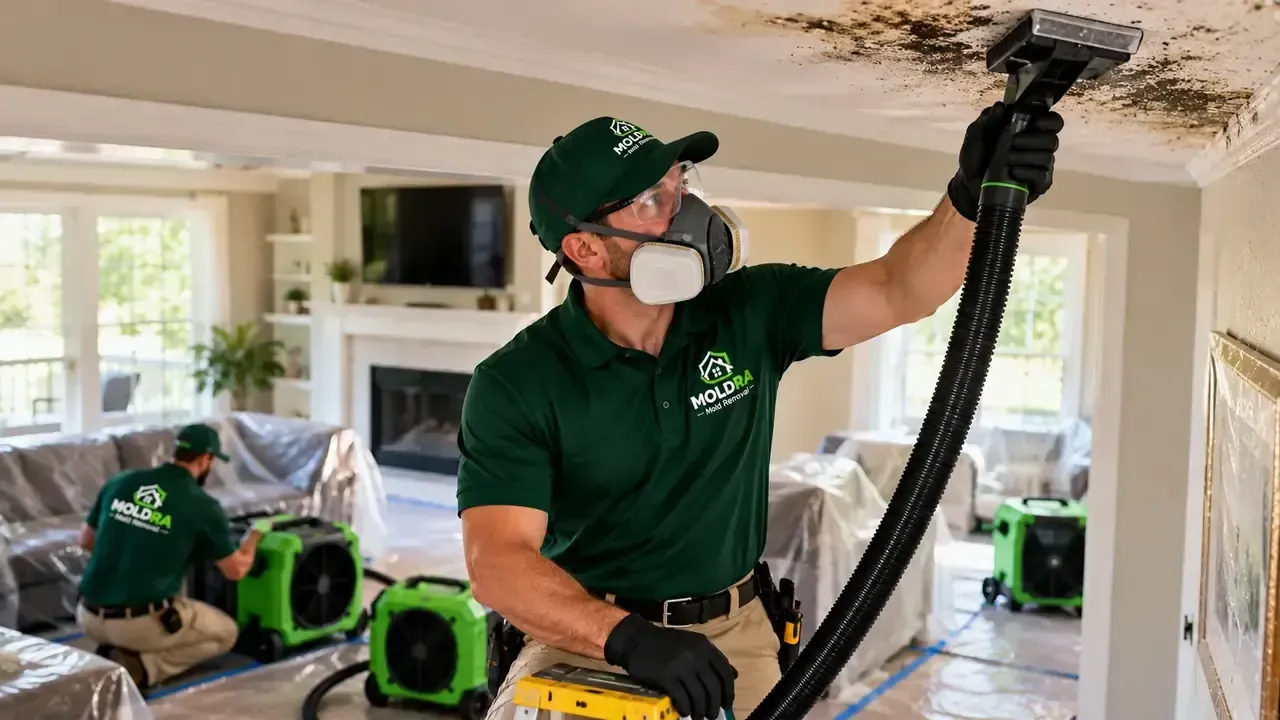
Mold removal in Littleton
Full remediation from inspection to clearance testing.
Learn moreFrom our blog
Mold guides for Littleton homeowners
Plain-English answers from our team about spotting mold, testing and what removal involves.
-
 Signs & causes
7 Signs of Mold in Your Home (and Where It Hides)
The first signs of mold in a house: musty smells, stains, peeling paint, allergy symptoms and more. Where hidden mold grows in Littleton homes and what to do.
Read the guide -
 Inspection & testing
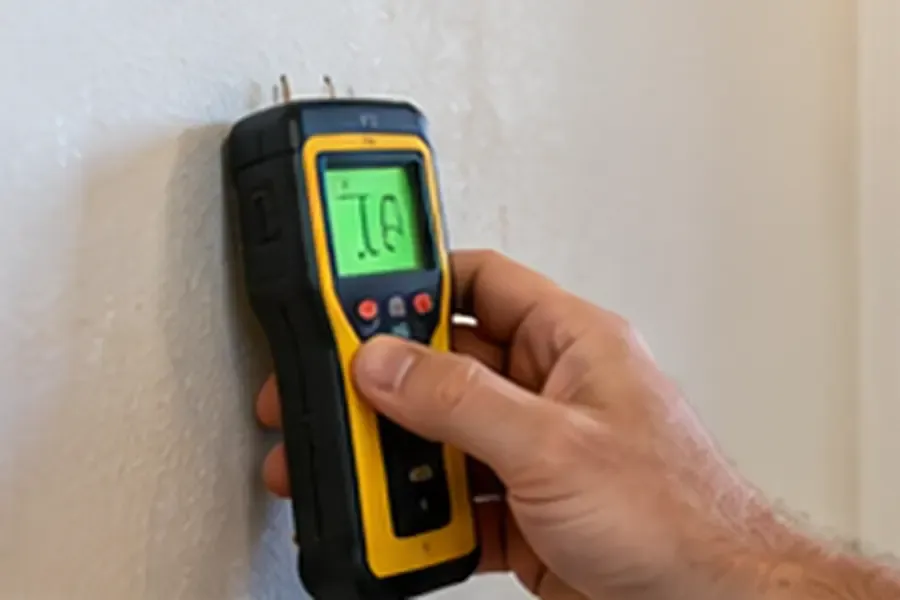
Is Mold Testing Worth It? When to Test and When to Skip It
When professional mold testing is worth the money, when it is not, how air and swab tests work, and why DIY kits are misleading. Honest advice from Littleton mold pros.
Read the guide -
 Signs & causes
Why Littleton Homes Get Mold (Even in a Dry Climate)
Colorado is dry, so why do Littleton homes get mold? Snowmelt, storms, finished basements, swamp coolers and frozen pipes. The local causes and how to prevent them.
Read the guide
Service areas
We serve these areas in Littleton, CO
From our office on W Cross Dr we cover all of Littleton and the neighborhoods around it. Pick your area to see the mold problems we see there most.
- Littleton
- Downtown Littleton
- Southwest Littleton
- Ken Caryl
- Dakota Ridge
- Columbine
- Columbine Knolls
- Columbine Valley
- Bow Mar
- Marston Lake
- Chatfield
- Roxborough
- Sterling Ranch
Smell something musty? Talk to a Littleton mold specialist today.
Tell us what you are seeing. We will explain the next step, whether that is a test, an inspection or removal.
- Available 24/7
- Local Littleton team since 2012
- Clear written estimate before work starts
Location
Air Quality Testing from our office on W Cross Dr
We are based on W Cross Dr in Littleton and serve the whole city and the neighborhoods around it.
Moldra 9800 W Cross Dr #110, Littleton, CO 80123 (720) 743-9257 Open in Google MapsFAQ
Air Quality Testing questions
Does air quality testing include mold testing?
Yes. Our air quality test includes mold spore air samples, plus humidity, particulates, VOCs and CO2.
How do I improve indoor air quality at home?
Fix moisture sources, keep humidity between 30 and 50 percent, use a good HVAC filter and change it on schedule, ventilate when cooking or showering, and reduce chemical products. Testing shows which of these matter most in your home.
Can poor air quality come from my HVAC system?
Yes. Dirty filters, mold in ducts or drain pans, and poorly balanced airflow can all affect air quality. We check the HVAC area during testing.