Signs & causes
7 Signs of Mold in Your Home (and Where It Hides)
By the Moldra team, Littleton CO · Updated November 23, 2026 · 6 min read
Mold Remediation Littleton
- Since 2012 14+ years in Littleton
- Open 24/7 A person answers day and night
- Local office W Cross Dr, Littleton, CO
- Source found first Moisture meters and thermal imaging
- HEPA & containment Negative air on every removal
- Clearance checked Lab testing when you need proof
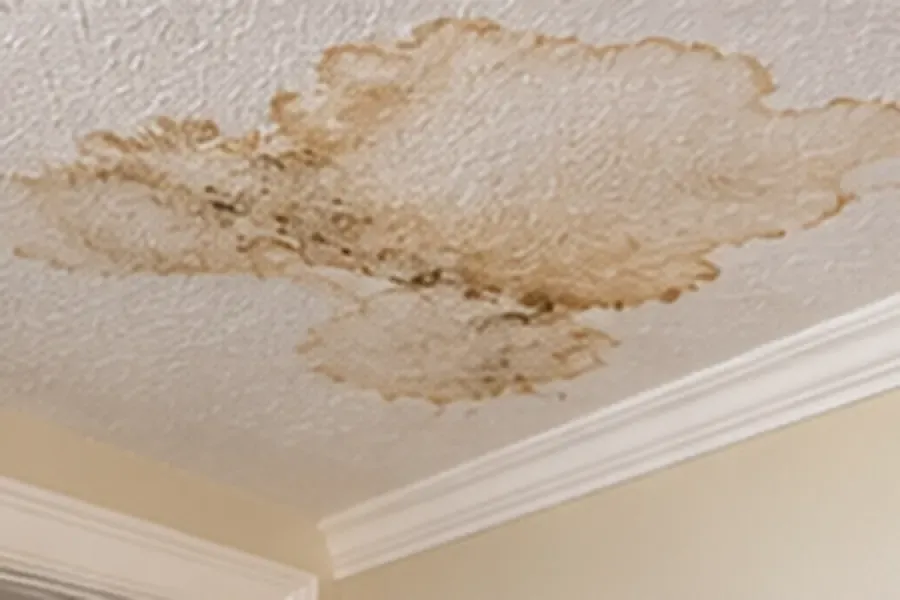
Mold rarely announces itself with a big black patch on the wall. In most Littleton homes the first clues are small: a smell, a stain, a cough that only happens at home. If you notice two or more of the signs below, a professional mold inspection is the fastest way to find out what is going on.
1. A musty, earthy smell
Growing mold releases gases called microbial volatile organic compounds (MVOCs). They smell musty, earthy or like wet cardboard. The smell often travels farther than the mold itself, so you may notice it in a hallway while the mold is behind a basement wall.
If the smell gets stronger when the furnace or AC runs, the source may be near your HVAC system. Our guide to musty odor removal explains the usual culprits.
2. Stains, spots or discoloration
Mold can look black, green, gray, white or even pink. Watch for:
- Dark spots at the bottom of basement drywall or on baseboards
- Gray or brown rings on ceilings below bathrooms
- Fuzzy or speckled patches around windows
- Black specks on grout and caulk that come back after cleaning
3. Peeling paint, bubbling or warped materials
Paint that bubbles or peels, wallpaper that lifts and baseboards that swell all point to moisture inside the wall. Where there is ongoing moisture, mold is likely to follow.
4. Water damage, past or present
The EPA notes that mold can begin growing within 24 to 48 hours on wet materials. Any leak, flood or overflow that was not dried quickly is a candidate for hidden mold, even if it happened months ago. Common Littleton sources include frozen pipes in winter, roof leaks after hail and basement seepage during spring snowmelt.
5. Condensation and high humidity
Water beading on windows, cold pipes or walls tells you the air is holding a lot of moisture. The EPA recommends keeping indoor humidity below 60 percent, ideally between 30 and 50 percent. A cheap hygrometer from a hardware store will tell you where you stand.
6. Allergy-like symptoms that improve when you leave
Sneezing, a runny nose, itchy eyes or asthma flare-ups that ease when you are away from home can be a sign of mold. The CDC lists these as common reactions in sensitive people. Always talk to your doctor about health symptoms; we can only check the house.
7. Mold that keeps coming back
If you have cleaned a spot and it returns within weeks, the moisture source has not been fixed, and there is likely more growth inside the material.
Where hidden mold grows in Littleton homes
| Area | Why mold grows there |
|---|---|
| Finished basements | Drywall and carpet against concrete absorb moisture from the slab and walls |
| Crawl spaces | Bare soil and poor vapor barriers let ground moisture rise |
| Attics | Bathroom fans venting into the attic, roof leaks, poor ventilation |
| Behind washers and under sinks | Slow plumbing leaks nobody sees |
| Around swamp coolers | Evaporative coolers add moisture by design and can leak |
What to do next
- Do not scrub or sand suspected mold; it can spread spores.
- Find and stop any active leak.
- Run a dehumidifier if humidity is high.
- For anything larger than about 10 square feet, or if you cannot find the source, call a professional.
Want to know what a visit costs first? See our mold removal cost guide for Littleton.
This guide is general information for homeowners. It is not medical, legal or insurance advice.